Friday, November 22, 2024
Powerboat Plans for Creating a Light, Easy-to-Store Boat
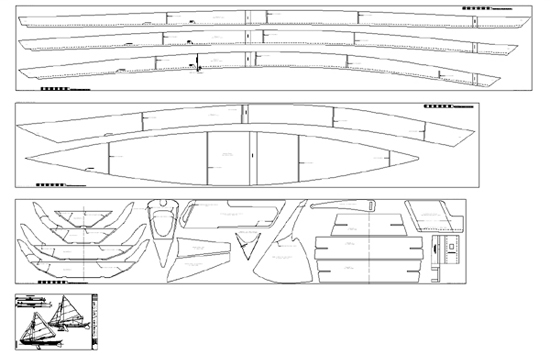
Building a Light and Easy-to-Store Powerboat: A Guide for DIY Enthusiasts
So, you're dreaming of cruising the open waters, but don't have the space for a massive boat? Or maybe you're just looking for a fun project that won't break the bank? Building a light and easy-to-store powerboat could be your perfect solution! This article will guide you through the process, from planning to construction, equipping you with the knowledge and inspiration to create your dream craft.
Choosing the Right Design
The first step is to choose a design that suits your needs and skills. A light and easy-to-store boat requires a design that prioritizes portability and simplicity. Here are some popular options to consider:
Inflatable Boats:
These are incredibly portable, deflating to a compact size for storage. They come in various sizes and configurations, offering great versatility. Just be mindful of their potential for damage from punctures.
Folding Boats:
These boats fold down into a smaller package, perfect for smaller storage spaces. While not as compact as inflatables, they offer a sturdier and more rigid structure.
Lightweight Dinghies:
Made from lightweight materials like fiberglass or aluminum, these dinghies are relatively small, making them easy to handle and store. They provide a great entry point into powerboating.
Materials: Light and Durable
Choosing the right materials is crucial for a boat that's both light and durable. Here's a breakdown of popular choices:
Fiberglass:
A classic choice for boat building, fiberglass offers excellent strength-to-weight ratio and durability. However, it requires some expertise in working with resin and glass fibers.
Aluminum:
Aluminum is lightweight, corrosion-resistant, and relatively easy to work with. It's a popular choice for dinghies and other small craft.
Polyethylene:
Polyethylene is a durable and impact-resistant material often used for inflatable boats. It's also relatively inexpensive, making it a budget-friendly option.
Powering Your Boat
Once you've got your design and materials sorted, it's time to think about power. Here are some things to consider:
Outboard Motors:
Outboard motors are the most popular choice for small boats. They're compact, versatile, and easy to install. Choose an outboard motor that's appropriately sized for your boat.
Electric Motors:
Electric motors offer a quiet and eco-friendly alternative to gasoline engines. They're becoming increasingly popular, especially for smaller boats. Just be mindful of battery life and charging requirements.
Building Your Boat
Now comes the exciting part: construction. Whether you're working with fiberglass, aluminum, or another material, here are some key steps:
1. Planning and Preparation:
Start by carefully reviewing your chosen plans. Gather all necessary tools and materials. Ensure your work area is safe and well-ventilated.
2. Cutting and Shaping:
Cut the materials to size and shape them according to the plans. Use precision tools for accurate measurements. Seek help if needed.
3. Assembling the Hull:
Follow the instructions carefully to assemble the hull. Use appropriate adhesives and fasteners. Make sure all connections are secure.
4. Adding the Deck and Features:
Once the hull is complete, attach the deck and any other features, such as seats, storage compartments, and rigging.
5. Finishing Touches:
Sand, paint, and varnish your boat to protect it and give it a polished look. Consider adding personal touches and embellishments.
Safety First
Always remember that safety is paramount when operating a powerboat. Here are some essential tips:
Commonly Asked Questions
How much does it cost to build a small powerboat?
The cost of building a powerboat varies significantly based on design, materials, and engine choice. A simple, lightweight boat can be built for a few hundred dollars, while more complex designs may cost several thousand. It's always wise to budget carefully and factor in the costs of tools, materials, and potential unexpected expenses.
What are the legal requirements for operating a powerboat?
Legal requirements vary by region. It's crucial to check with your local boating authorities to understand the necessary licensing, registration, and safety regulations. You may need to complete a boating safety course and obtain a boating license before operating your boat.
How do I know if I'm skilled enough to build a boat?
Building a boat requires patience, attention to detail, and a basic understanding of woodworking or metalworking skills. If you're comfortable with hand tools and have a knack for working with your hands, you're likely on the right track. Remember, there are resources and tutorials available to help you along the way.
Building a light and easy-to-store powerboat is an exciting and rewarding project. With careful planning, the right materials, and a touch of DIY spirit, you can create a vessel that will provide endless hours of enjoyment on the water. Remember, safety should always be your top priority. Enjoy the journey and safe travels!

No comments:
Post a Comment
Note: Only a member of this blog may post a comment.