Wednesday, November 20, 2024
DIY Wooden Houseboat Plans with Easy Instructions
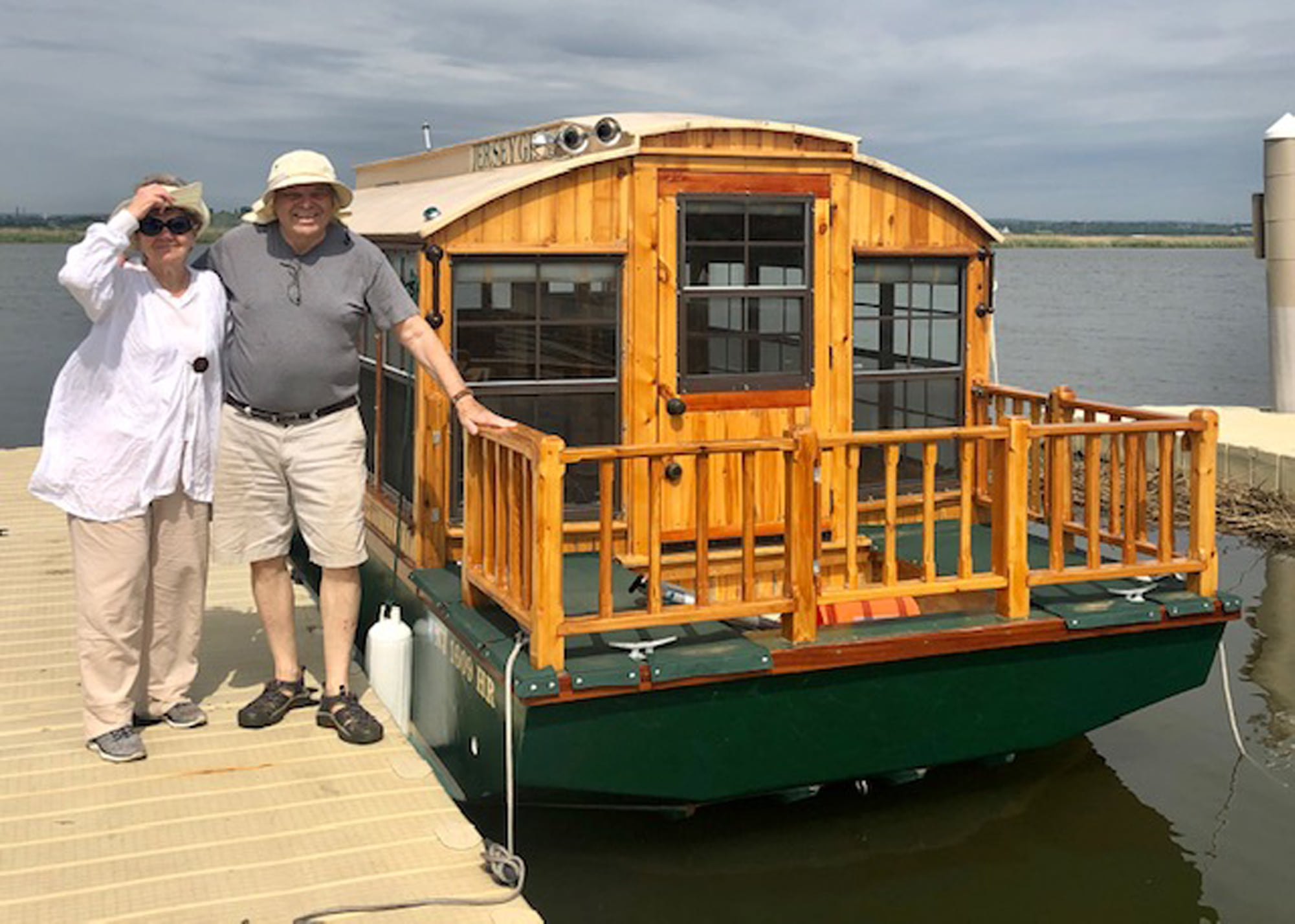
DIY Wooden Houseboat Plans with Easy Instructions
Hey there, water lovers! Ever dreamed of living on the water? Well, you're not alone. Building your own houseboat is a dream for many, and with a little bit of determination and some solid DIY skills, it's definitely achievable! This guide will walk you through the process of building a wooden houseboat from scratch, keeping things as simple and friendly as possible.
Step 1: Planning and Design
Before you start hammering and sawing, it's essential to have a solid plan. This is the foundation of your houseboat, so take your time and really consider your needs and wants.
Determine Your Houseboat's Purpose
First things first, what are you going to use your houseboat for? Is it going to be a weekend getaway, a full-time residence, or a floating party barge? Each purpose will influence the size, features, and overall design of your boat.
Consider Your Location and Regulations
Where are you planning to live on your houseboat? Different waterways have different regulations, so make sure to check with your local authorities. Some factors to consider include:
- Boat Registration Requirements: How will you register your houseboat?
- Mooring Restrictions: Are there specific areas you can moor your houseboat?
- Environmental Regulations: Are there any environmental concerns to address?
Choose a Design and Draw Your Plans
There are tons of houseboat plans available online, but you can also design your own. Don't be afraid to get creative! Think about the layout you want, the number of rooms, the size of the deck, and any specific features you'd like to include. Sketch out your ideas and start creating a detailed plan, making sure to include measurements and materials.
Step 2: Gathering Materials and Tools
Alright, time to start gathering the building blocks of your dream houseboat. This might seem overwhelming, but remember, it's all about taking it one step at a time.
Essential Materials
- Wood: Select quality marine-grade lumber (like cedar, redwood, or pressure-treated pine) to withstand the elements and resist rot.
- Flooring: Opt for marine-grade plywood or composite decking for a durable and water-resistant surface.
- Insulation: Consider using foam insulation to keep the interior comfortable and reduce noise.
- Hardware: Gather fasteners like screws, nails, and bolts for construction and securing components.
- Windows and Doors: Choose weather-resistant options, and ensure they're properly sealed and waterproofed.
Crucial Tools
You'll need a good set of tools to handle the construction. Here are some essentials:
- Power Saw: A circular saw, chop saw, or miter saw will make cutting lumber a breeze.
- Drill: A cordless drill is essential for drilling holes and driving screws.
- Measuring Tools: A tape measure, level, and framing square are key for accurate measurements.
- Safety Gear: Don't forget safety glasses, ear protection, and work gloves!
Step 3: Building the Hull
This is where the real magic happens! Building the hull is the foundation of your houseboat, and it's crucial to get it right. Don't worry, it's not as intimidating as it might seem.
Constructing the Frame
Following your plans, start by building the frame. Use strong wooden beams, and secure them together with screws and bolts. Make sure the frame is sturdy and aligned. You can also use metal bracing for additional strength.
Sheathing the Hull
Once the frame is complete, sheathe the hull with marine-grade plywood. This creates a solid, watertight surface. Use waterproof glue and screws to secure the plywood to the frame.
Adding Structural Elements
Depending on the size and design of your houseboat, you might need to add additional structural elements, like stringers, bulkheads, and supports. These will strengthen the hull and provide support for the interior.
Step 4: Building the Deck and Superstructure
Now it's time to create the living spaces above the hull. The deck and superstructure will provide the foundation for your houseboat's interior.
Building the Deck Frame
Using your plans as your guide, construct a frame for your deck. This will create a sturdy platform for your flooring and interior spaces.
Installing the Deck Flooring
Once the deck frame is complete, install the flooring. Marine-grade plywood or composite decking is a good choice for a durable and water-resistant surface.
Building the Superstructure
The superstructure is the part of your houseboat that sits above the deck. It includes walls, roofs, and any other structural elements for your living spaces. Use your plans and construct the walls and roof framing, paying close attention to the angles and measurements.
Step 5: Finishing Touches and Interior Design
The construction is almost done! Now it's time to add the finishing touches and bring your vision to life. This is where your creativity can really shine.
Installing Windows and Doors
Install your windows and doors, making sure they're properly sealed and waterproofed.
Adding Interior Features
Now comes the fun part! You can get creative with the interior design. Install walls, ceilings, and cabinets. Consider using materials like wood, laminate, or tile for a stylish and durable finish.
Painting and Decorating
This is your chance to add personality to your houseboat. Choose colors, patterns, and finishes that match your style.
Adding Electrical and Plumbing
Make sure to install electrical wiring and plumbing systems, ensuring they meet local codes and regulations.
Step 6: Launching and Enjoying Your Creation
The moment you've been waiting for! Time to launch your houseboat and start living the dream. Make sure to have it inspected and certified by qualified professionals before taking it out on the water.
Getting Ready for the Water
Before you launch your houseboat, you'll need to install essential safety equipment, like life jackets, fire extinguishers, and navigation lights.
Enjoying Your Houseboat
Now you can relax, enjoy the open water, and relish the satisfaction of building your own dream houseboat. It's an incredible feeling to look at your creation and know you built it with your own two hands.
Commonly Asked Questions
How much does it cost to build a wooden houseboat?
The cost of building a houseboat can vary greatly depending on factors like the size, materials, and complexity of the design. However, it's generally less expensive than buying a pre-built houseboat.
What are some essential safety considerations for a houseboat?
Safety is paramount! Here are some key points to consider:
- Life Jackets: Ensure everyone on board has a properly fitted life jacket.
- Fire Extinguishers: Install multiple fire extinguishers in accessible locations.
- Navigation Lights: Install proper navigation lights for safe visibility at night.
- Carbon Monoxide Detector: Install a carbon monoxide detector, especially if you have a combustion engine.
What are some challenges of building a houseboat?
Building a houseboat is a rewarding but challenging project. Here are some potential challenges:
- Construction Complexity: Building a houseboat requires a solid understanding of woodworking and construction techniques.
- Finding Suitable Materials: Sourcing marine-grade materials can be challenging and might require research.
- Meeting Regulations: Navigating local regulations and obtaining the necessary permits can be complex.
- Time Commitment: Building a houseboat takes a significant amount of time and effort.
Where can I find detailed houseboat plans?
You can find houseboat plans online, in books, or from professional boat designers. Look for plans that are specifically designed for wooden construction and that meet your size and design requirements.
Remember, building a houseboat is a journey, not a sprint. Take your time, enjoy the process, and don't be afraid to ask for help. Most importantly, have fun and stay safe!

No comments:
Post a Comment
Note: Only a member of this blog may post a comment.