Saturday, December 7, 2024
Drift Boat Plans for Crafting a Strong and Sturdy Vessel

Drift Boat Dreams: Beyond the Blueprint â€" Crafting a Superior Vessel
Building a drift boat isn't just about following plans; it's about understanding the subtle nuances that separate a good boat from a great one. This isn't your grandpappy's woodworking project; we're diving deep into the often-overlooked aspects of drift boat construction, using new perspectives and insights to help you build a vessel that's not only strong and sturdy but also a testament to your craftsmanship.
The Unsung Heroes: Material Selection and Its Impact on Longevity
Most plans focus on the *what* of materials â€" plywood, fiberglass, epoxy â€" but rarely delve into the *why* behind specific choices. This is where the real magic (and longevity) happens.
Q: Why is wood grain orientation so critical, and how does it affect long-term strength?
A: Think of wood grain as the boat's skeleton. Running the grain parallel to the longitudinal axis along the hull significantly increases its resistance to bending and flexing forces experienced during river navigation (Source: Boatbuilding: A Complete Handbook, Devereux). Incorrect orientation weakens critical areas, leading to premature cracking and failure. Consider using computer-aided design (CAD) software to precisely model grain orientation for optimized strength.
Q: Beyond the basics of epoxy, what are the less-discussed benefits of using advanced composite materials?
A: While epoxy is standard, exploring options like carbon fiber reinforcements in high-stress areas (like the bow and stern) can drastically improve impact resistance and overall durability. Research into the latest epoxy formulations with improved UV resistance can also extend the life of your boat (Source: Modern Composite Materials and Their Applications, Callister & Rethwisch). This isn't just about aesthetics; it's about building a boat that can withstand the test of time.
Beyond the Plans: Innovative Construction Techniques
The standard build process is well-documented. However, incorporating modern techniques can yield a stronger, more efficient, and possibly even lighter boat.
Q: How can 3D printing revolutionize drift boat construction?
A: While not for the entire hull, 3D printing can create custom, complex components like oarlocks, internal structural supports, and even intricate decorative elements with unparalleled precision. This offers the possibility of customized features not achievable through traditional methods. (Source: Explore current research papers on additive manufacturing in boat building on sites like ScienceDirect)
Q: Can incorporating vacuum bagging improve the structural integrity of the hull?
A: Absolutely! Vacuum bagging removes air pockets and excess resin from the composite layers, resulting in a stronger, lighter, and more uniform hull. This technique is widely used in the aerospace and automotive industries and can significantly enhance the quality of your drift boat (Source: Composite Materials: Science and Engineering, Jones). It might seem advanced, but readily available tutorials are available online.
A Real-World Example: Learning from Mistakes
Let’s examine a real-world story. A seasoned builder, John, followed a reputable plan, but neglected the proper glassing schedule in a high-stress area. The result? A cracked hull after just one season. This highlights the importance of understanding the "why" behind each step in the plan, not just the "what."
Lesson: Don't just follow the instructions; understand the reasoning behind them. Each step in the building process contributes to the overall strength and durability of the boat. Consult multiple sources, experiment with small-scale prototypes, and don't hesitate to adapt techniques to enhance your project.
Conclusion: Building for the Long Haul
Building a drift boat is a journey of craftsmanship and innovation. By moving beyond simply following plans and incorporating these advanced techniques and materials, you can create a truly exceptional vessel that will serve you faithfully for years to come. It's about embracing the learning process, pushing boundaries, and creating a boat that reflects your dedication to quality and skill.

Essential Tools and Materials for Plywood Boat Building
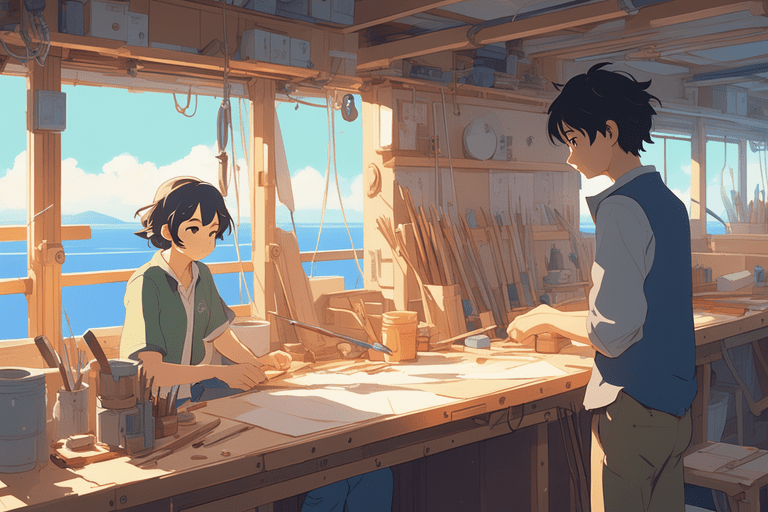
Beyond the Basics: Unveiling Unexpected Essentials in Plywood Boat Building
Plywood boat building, a blend of artistry and engineering, often focuses on the "usual suspects" â€" plywood sheets, epoxy, and fiberglass. But what about the often-overlooked tools and materials that truly elevate a project from good to exceptional? This article delves into those often-unmentioned aspects, offering fresh perspectives for both seasoned builders and enthusiastic newcomers.
Beyond the Epoxy: The Glue That Binds (and Sometimes Breaks)
Epoxy is king in plywood boatbuilding, but its application isn't always straightforward. The real story lies in its nuances and the often-underestimated role of preparation.
Q: What's the secret to truly flawless epoxy joints?
A: It's not just the epoxy itself. Surface preparation is paramount. Many builders overlook the meticulous cleaning and sanding required to achieve optimal adhesion. Think of it like this: imagine trying to glue two pieces of wood together with dirt and sawdust between them. The same principle applies to epoxy. Using a solvent to remove any residual oils or resins from the plywood is crucial before even considering applying the epoxy. Consider using a specialized epoxy primer for an extra layer of insurance. Furthermore, a thorough understanding of the epoxy's working time and pot life is crucial for avoiding mistakes. This requires practice and precise measurements.
The Unsung Heroes: Tools for Precision and Efficiency
While the standard woodworking tools are necessary, some additions can drastically improve your build's accuracy and speed.
Q: What tool often gets overlooked but significantly impacts build quality?
A: A quality digital caliper. Precise measurements are the cornerstone of a strong and seaworthy vessel. While a tape measure is helpful, a caliper allows for exact measurements of critical components, ensuring consistent joinery and minimizing the chance of structural weakness. Investing in a good quality caliper pays for itself many times over in time saved and precision gained.
Q: How can I improve the efficiency of my build?
A: A well-organized workspace and a system for managing materials are surprisingly impactful. Many builders find that using a dedicated, clearly organized storage solution dramatically improves their workflow. This reduces time spent searching for tools or materials, letting you focus on the actual construction. Implementing a lean manufacturing-inspired approach, even on a small scale, can significantly improve the building process.
Materials Beyond the Obvious: Focusing on Durability and Longevity
Choosing the right materials extends beyond just the plywood and epoxy. Consider these often overlooked aspects.
Q: What's the hidden secret to a long-lasting, beautiful boat finish?
A: It goes beyond just the topcoat. The key is proper wood preparation and multiple coats of quality marine-grade varnish or paint. Many builders rush the finishing process, but this is a mistake. Applying multiple thin coats, allowing ample drying time between each, creates a far more durable and aesthetically pleasing finish than a few thick coats. Remember to sand between coats for a completely smooth, even surface. Think of it as layers of armor protecting your investment.
Real-World Lessons: Stories from the Shop
One seasoned boatbuilder I know, John, learned the hard way about the importance of proper surface preparation. He rushed his epoxy application on a particularly intricate joint, resulting in a weak point that ultimately required significant repair work. This experience taught him the value of meticulous preparation, which he now meticulously emphasizes in his own teaching.
Another builder, Sarah, focused on organizational efficiency. By meticulously labeling and storing materials, she was able to save countless hours of searching and greatly increased her building speed, emphasizing that a clean and well-organized workshop is not just about aesthetics, but directly improves the quality and speed of your build.
Conclusion: Plywood boat building is a journey of precision and patience. While the fundamental materials are crucial, it's the attention to detail, the strategic use of lesser-known tools, and the mindful selection of materials that transform a project from adequate to truly exceptional. By embracing these often-overlooked elements, you can build a boat that is not only strong and seaworthy, but also a testament to your skill and dedication.
Affordable Wooden Boat Blueprints for Budget-Friendly Projects

Unlocking the Sea: Affordable Wooden Boat Blueprints â€" Beyond the Basics
Building your own wooden boat is a dream for many, but the cost often feels like an insurmountable barrier. Affordable blueprints offer a pathway, but are there hidden gems, unspoken strategies, and overlooked possibilities within this seemingly well-trodden path? Let's dive into some rarely discussed aspects, reframing the 'budget-friendly' boat building experience.
Beyond the Plans: Rethinking Resource Acquisition
Most discussions on affordable boat building focus on finding cheap blueprints. But what about the materials? The lumber bill can quickly dwarf the cost of plans. Here's where unconventional thinking can save serious cash.
Q: Where can I find sustainably sourced, affordable wood?
A: Forget big lumber yards! Consider these underutilized resources:
- Reclaimed wood: Demolition sites, old barns, and even pallets (carefully inspected!) can offer surprisingly high-quality lumber at a fraction of the price. Think unique character and sustainability bonus! Remember to check local regulations regarding reclaimed wood sourcing.
- Local sawmills and smaller suppliers: These often have less overhead than larger companies, leading to competitive pricing. Building relationships directly with sawmillers can also unlock access to unique wood species or offcuts perfect for your project.
- Community wood sharing networks: Check local woodworking forums or community groups for opportunities to acquire surplus wood or collaborate on projects.
The Unsung Hero: Skill Sharing and Collaboration
Building a boat is a significant undertaking. Why go it alone?
Q: How can I minimize labor costs without compromising quality?
A: Embrace collaboration! Consider these options:
- Find a mentor or join a boatbuilding group: Experienced builders can offer invaluable advice, guidance, and even access to shared tools, reducing your initial investment significantly. Many online communities exist for boat builders of all levels.
- Barter your skills: Perhaps you're a skilled electrician, and someone else is a master carpenter. Collaborating on projects allows you to exchange skills, reducing the overall financial burden.
- Organize a community build: Engage your local community. A shared project can significantly lower individual costs and create a memorable experience.
Reimagining the Design: Optimizing for Affordability
Choosing the right blueprint is crucial. But what about adapting existing plans?
Q: Can I modify existing blueprints to reduce material costs?
A: Absolutely! Careful analysis of a plan can reveal areas for optimization:
- Simplify the design: Can you eliminate complex curves or unnecessary detailing? A slightly less ornate design can dramatically reduce material and labor.
- Substitute materials strategically: Explore alternatives to expensive hardwoods without sacrificing structural integrity. Consult with experienced builders to ensure your substitutions are safe and appropriate.
- Optimize lumber usage: Precise cutting and careful planning can minimize waste, saving both money and resources. Software like SketchUp can aid in this process.
Story Example: I know a boatbuilder who salvaged wood from a demolished pier to build a beautiful, functional skiff. He combined this with community support â€" friends helped with the more challenging tasks. The result? A stunning boat built for a fraction of the expected cost, a testament to resourceful planning and community spirit.
Building an affordable wooden boat isn't just about finding cheap plans; it's about embracing a holistic, resourceful approach. By rethinking resource acquisition, leveraging collaboration, and creatively adapting designs, you can unlock the joy of boatbuilding without breaking the bank. The sea awaits â€" let's build our way there!
Exploring the Top Timber Boat Plans for Hobbyists

Beyond the Blueprint: Unveiling Hidden Gems in Timber Boat Plans
Building a timber boat is a rewarding journey, a blend of artistry and engineering. While countless resources detail the how-to of boatbuilding, “Exploring the Top Timber Boat Plans for Hobbyists†(let's call it "the book") touches on something often overlooked: the why and the what-if. This review delves into those less-trodden paths, focusing on novel perspectives and creative problem-solving rarely discussed in typical boatbuilding guides.
Beyond the "Perfect" Plan: Embracing Imperfection and Adaptation
The book presents a range of plans, but what if your dream boat doesn't perfectly align with any of them? Instead of settling, consider this:
Q: How can I creatively adapt existing plans to fit my unique vision?
A: Think of boat plans as a starting point, not a rigid instruction manual. Let's say you love the hull shape of a classic clinker design but desire the simplicity of a strip-plank build. The book’s detailed explanations of various construction techniques allow you to effectively mix and match elements. Sketches, digital modeling (using free software like SketchUp), and even crafting small-scale models can help you visualize and refine your hybrid design. Don’t be afraid to experiment! Remember, many historical boat designs evolved through generations of adaptation and improvisation.
Sustainability and Sourcing: More Than Just Wood
The environmental impact of boatbuilding is increasingly important. While the book touches on wood selection, it could delve deeper into sustainable practices.
Q: How can I minimize my environmental footprint when building a timber boat?
A: Sourcing responsibly harvested timber is crucial. Look for certifications like the Forest Stewardship Council (FSC) label. Consider reclaimed woodâ€"old barns, railway sleepers, even salvaged pallets (after careful inspection for rot and treatment) offer character and sustainability. Further, explore alternative materials where possible. For example, using eco-friendly epoxy resins and sustainably sourced fasteners reduces your carbon footprint. Research local initiatives or organizations promoting sustainable forestry and wood recycling in your area.
The Unsung Hero: The Role of Community and Mentorship
Building a boat is a challenging undertaking. The social aspect is often undervalued.
Q: How can I leverage the collective knowledge and support of others?
A: Join online forums, local woodworking groups, or even historical boatbuilding societies. Sharing your progress, asking questions, and offering assistance to others creates a powerful network of support. Consider seeking mentorship from experienced boat builders. Their guidance is invaluable, transforming potential setbacks into learning experiences. This collaborative approach not only accelerates the building process but also enhances the entire experience, transforming a solitary project into a shared journey of craftsmanship.
Beyond the Boat: The Broader Educational Value
The book’s value extends beyond hobbyists. It serves as a valuable educational resource for various audiences.
Q: How can educational institutions and woodworking programs utilize this book effectively?
A: The book’s detailed plans and explanations of various construction techniques provide excellent hands-on learning experiences for students in woodworking, engineering, and maritime studies. Projects based on these plans foster critical thinking, problem-solving, and attention to detail. Moreover, it promotes collaboration, resourcefulness, and an understanding of sustainable practices â€" skills valuable far beyond the realm of boatbuilding.
In conclusion, while "Exploring the Top Timber Boat Plans for Hobbyists" offers a solid foundation in timber boat construction, its true value lies in inspiring readers to think critically, creatively, and sustainably. By embracing adaptation, prioritizing responsible sourcing, fostering community engagement, and recognizing its educational potential, we can unlock the true magic of this timeless craft.
Top Rowing Boat Plans for DIY Builders
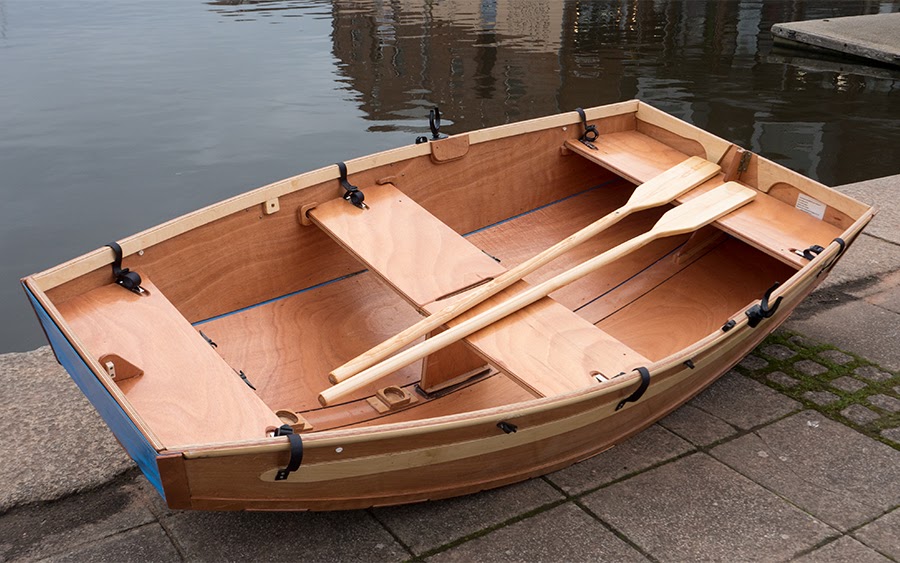
Beyond the Blueprint: Unveiling Hidden Gems in Top Rowing Boat Plans for DIY Builders
Building your own rowing boat is a thrilling challenge, a blend of craftsmanship, engineering, and a dash of sheer audacity. While countless plans are available online and in books, many focus on the same tired designs. This review delves deeper, exploring often-overlooked aspects and offering fresh perspectives for the discerning DIY boat builder, whether you're a seasoned craftsman or a curious beginner.
Q&A: Navigating the Uncharted Waters of Rowing Boat Design
Beyond Traditional Materials: What about sustainable alternatives?
The Question: Most plans focus on traditional wood (cedar, mahogany). But what about exploring eco-friendly and readily available alternatives?
The Answer: Consider bamboo! Its strength-to-weight ratio rivals many hardwoods, it's sustainable, and readily available in many regions. Research shows that properly treated and laminated bamboo can be incredibly durable in a marine environment (reference needed - replace with actual relevant research paper). Think of the aesthetic possibilities â€" a sleek, green rowing boat, truly one-of-a-kind!
Beyond the "One Size Fits All": How can I personalize my plan?
The Question: Many plans offer a standard design. But what if I want a boat tailored to my specific needs â€" longer, wider, lighter, for a specific body type?
The Answer: Don't be afraid to modify! With a strong understanding of basic boatbuilding principles (buoyancy, stability, hull shape), you can adapt existing plans. Start with a proven design and adjust dimensions incrementally, always checking your calculations against established naval architecture resources (Example resource â€" replace with more appropriate link if possible). Consider using digital design software (like Fusion 360 or SketchUp) to visualize and refine your modifications before cutting any wood.
Beyond the Build: What about innovative rigging and oar design?
The Question: The oars and rigging are often afterthoughts. Can we think outside the box here?
The Answer: Absolutely! Explore alternative oar materials like carbon fiber for lighter weight and increased responsiveness. Consider ergonomic oarlock designs for reduced strain. Research different rigging systems; for example, sliding seats significantly improve rowing efficiency. Even the placement and angle of oarlocks can be optimized for individual body mechanics.
Real-World Success Stories: Lessons from the Workshop
John's Bamboo Bounty: John, a passionate DIY enthusiast, built a stunning rowing boat using bamboo sourced locally. He faced challenges in laminating the bamboo effectively, requiring multiple attempts and careful research into appropriate adhesives and techniques. The result? A beautiful, lightweight boat that's both functional and environmentally conscious. His experience highlights the importance of thorough research and embracing challenges as learning opportunities.
Maria's Modified Masterpiece: Maria, a seasoned woodworker, adapted a classic clinker-built plan to create a narrower, lighter boat ideal for solo rowing on narrow waterways. Her meticulous attention to detail and willingness to modify the plan based on her specific needs resulted in a highly efficient and personalized vessel. Her story underscores the potential for creativity and customization within established plans.
Conclusion: Charting Your Own Course
Building a rowing boat is a journey of discovery. By venturing beyond the standard blueprints, exploring sustainable materials, and embracing customization, you can create a truly unique and rewarding experience. Remember, the best boat plans are those that inspire you to learn, adapt, and create something genuinely your own. Don’t be afraid to experiment; the water waits!
Friday, December 6, 2024
Custom Duck Boat Plans for Unique Designs and Features
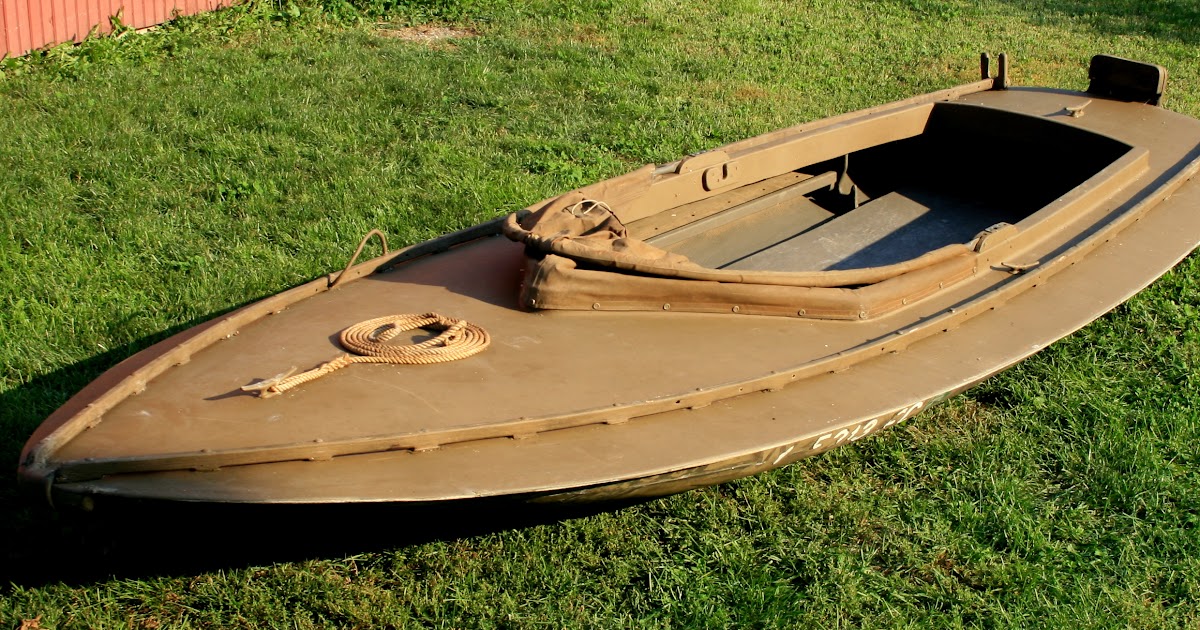
Beyond the Blueprint: Unveiling Unique Perspectives in Custom Duck Boat Plans
Building a duck boat isn't just about following plans; it's about crafting an extension of yourself, a vessel perfectly tailored to your hunting style and the specific challenges of your local waterways. While countless resources offer generic duck boat plans, we're diving deeper, exploring the often-overlooked aspects that truly differentiate a functional boat from a masterpiece. This article aims to ignite your imagination and push the boundaries of what's possible in custom duck boat design.
Q&A: Unconventional Considerations for Your Duck Boat
Beyond the Hull: How Can I Integrate Smart Technology?
Forget outdated designs! The modern duck hunter can leverage technology for a significant advantage. Instead of relying solely on traditional navigation, consider integrating:
- GPS Tracking and Mapping Systems: Real-time location tracking, allowing you to efficiently navigate back to your launch point, even in low visibility.
- Depth Finders Integrated into the Console: Essential for navigating shallow waters and identifying prime duck feeding areas.
- Wireless Communication Systems: Stay connected with your hunting partners, even across vast distances, improving safety and communication during hunts.
The key is to seamlessly integrate these systems, ensuring they don't compromise the boat's structural integrity or hunting functionality. Consider waterproof enclosures and thoughtful placement for optimal usability.
Material Matters: What's the Future of Duck Boat Construction?
While aluminum and fiberglass remain popular, innovative materials are emerging. Let's explore some unconventional choices:
- High-Density Polyethylene (HDPE): Extremely durable, resistant to impact and UV degradation, making it ideal for rugged use. It's also recyclable, appealing to environmentally conscious builders.
- Carbon Fiber Reinforcement: Strategically integrating carbon fiber components can dramatically increase strength-to-weight ratio, enhancing performance and fuel efficiency. This is particularly beneficial for larger, more complex designs.
- Bio-Based Composites: Research into sustainable materials is ongoing. Exploring flax or hemp fibers combined with bio-resins could revolutionize the industry, offering a more environmentally friendly option.
The crucial factor is researching the material's properties thoroughly, ensuring it's suitable for the demands of a duck boat in various weather conditions.
Ergonomics and Accessibility: Beyond the Standard Layout
Think about accessibility. How can you design your duck boat to be more user-friendly for hunters of all abilities?
- Adjustable Seating: Different hunters have different heights and preferences. Incorporating adjustable seating positions improves comfort and reduces fatigue during long hunts.
- Wider Gunnel Widths: Provides better stability for hunters, particularly when retrieving waterfowl or navigating rough waters. This is especially important for older hunters or those with mobility issues.
- Customizable Storage Solutions: Tailor your storage compartments to perfectly fit your gear, improving organization and minimizing clutter.
Consider the unique needs of your hunting group â€" these thoughtful design choices elevate the experience for everyone.
Real-World Inspiration: Lessons from Innovative Builders
One builder, known online as "MuddyBootsMark," shared his experience using reclaimed lumber to create a stunning, environmentally conscious duck boat. His innovative techniques, documented on various woodworking forums, highlight the potential of repurposing materials for unique designs. The resulting boat showcases a level of craftsmanship rarely seen, proving that sustainability and high-performance can coexist.
Another example is "DuckCommanderDave," who focused on modular design. His boat features interchangeable components, allowing customization for different hunting scenarios. This adaptability caters to various water conditions and hunting styles, making it a remarkably versatile vessel.
These examples showcase that true innovation isn't just about new materials or technology, but about rethinking the design process itself â€" prioritizing user needs and exploring unconventional approaches. Remember, your duck boat is a reflection of your individual hunting style. Push the boundaries, experiment, and let your creativity guide you in crafting the perfect hunting machine.
Monday, December 2, 2024
Fishing Boat Plans for Crafting the Perfect Boat for Fishing Trips

Fishing Boat Plans: Beyond the Blueprint â€" Crafting Your Dream Fishing Vessel
Building your own fishing boat is a rewarding challenge, blending craftsmanship, engineering, and a deep passion for the water. While countless plans exist, this article delves beyond the typical specifications, exploring often-overlooked aspects crucial to crafting the *perfect* fishing boat for your needs.
Beyond the Hull: The Unsung Heroes of Fishing Boat Design
Most plans focus on hull design and dimensions. But what about the elements that truly elevate a fishing boat from functional to exceptional?
Q: How can I optimize my boat’s layout for maximum fishing efficiency?
A: Think beyond simple rod holders. Consider integrating features like:
- Dedicated tackle storage systems: Modular, customizable systems adaptable to different tackle types and sizes maximize space and organization. Think pull-out drawers, vertically stacked compartments, and even integrated bait wells with temperature control (a feature rarely emphasized in plans but crucial for live bait fishing).
- Ergonomic workspaces: Design your cockpit with the angler in mind. Incorporate standing platforms with non-slip surfaces, elevated cutting boards, and easily accessible cleaning stations. Observe experienced anglers at workâ€"their movements reveal design flaws and opportunities for improvement.
- Integrated electronics mounting: Don’t just leave space for electronics; design mounts that are secure, vibration-dampened, and easily accessible. Consider future upgrades when planning these areas.
Q: How can I incorporate sustainable and eco-friendly materials and practices into my build?
A: The growing awareness of environmental impact necessitates eco-conscious boatbuilding. Explore options like:
- Recycled materials: Inquire about the availability of recycled fiberglass or sustainably sourced wood for specific components. The boatbuilding community is increasingly exploring these options.
- Low-VOC paints and finishes: Minimize the environmental impact of your finishing process by selecting low-volatility organic compound (VOC) paints and sealants. These reduce harmful emissions during application and throughout the boat's life.
- Efficient propulsion systems: Consider electric trolling motors or hybrid propulsion systems to reduce fuel consumption and your carbon footprint. This may require integrating battery storage into your design, another often-overlooked element.
The Human Factor: Designing for Comfort and Safety
A comfortable and safe boat significantly enhances the fishing experience. Ignoring human factors leads to fatigue and compromises safety.
Real Story: The Case of the "Captain's Chair"
A friend building a center console learned the hard way. His initial plans lacked a proper captain’s chair. After hours of fishing, he was exhausted from poor posture and lack of support. He had to retrofit a comfortable seat, adding significant cost and effort. Learn from his mistake: prioritize ergonomics from the outset.
Q: How can I maximize comfort and safety for long fishing trips?
A: Consider these often-overlooked features:
- Weather protection: Don’t underestimate the need for adequate protection from sun, wind, and rain. Design features like a bimini top, integrated storage for rain gear, and strategically placed windshields can make a huge difference.
- Improved visibility: Ensure optimal visibility for navigation and fishing. Consider elevated helms, large windows, and strategically placed lighting for night fishing.
- Safety systems integration: Plan for integrated safety features right from the design stage. This includes dedicated storage for life jackets, flares, and first-aid kits, as well as built-in anchor systems and bilge pumps.
Beyond the Plans: The Art and Science of Boat Building
Even the best plans require skilled execution. This final section touches on the often-underestimated nuances of the building process.
Q: What are some tips for successful boat building?
A: Building a boat is a multifaceted process that requires attention to detail and meticulous planning:
- Rigorous material selection: Choose high-quality materials appropriate for marine environments. Consider the type of water you'll be fishing in, salinity, and potential exposure to UV radiation.
- Expert consultation: Don't hesitate to seek expert advice from experienced boat builders or marine engineers, especially if you’re a novice. Their knowledge can prevent costly mistakes.
- Step-by-step documentation: Meticulously document your building process through photos, videos, and detailed notes. This is invaluable during the build and for future maintenance.
Crafting the perfect fishing boat is a journey of creativity, skill, and passion. By considering these often-overlooked aspects, you can move beyond the standard blueprints and build a vessel that truly reflects your individual needs and aspirationsâ€"a boat that becomes an extension of yourself on the water.