Saturday, December 7, 2024
Top Rowing Boat Plans for DIY Builders
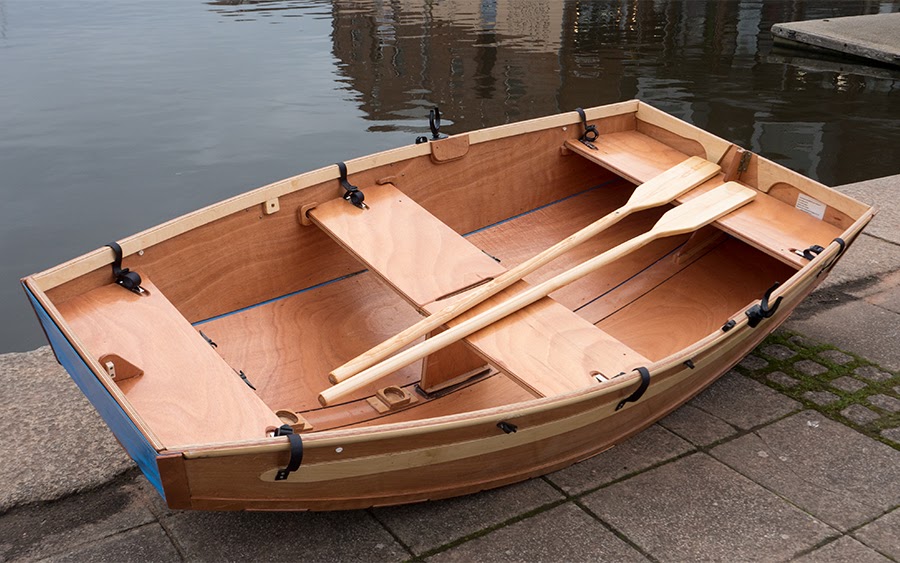
Beyond the Blueprint: Unveiling Hidden Gems in Top Rowing Boat Plans for DIY Builders
Building your own rowing boat is a thrilling challenge, a blend of craftsmanship, engineering, and a dash of sheer audacity. While countless plans are available online and in books, many focus on the same tired designs. This review delves deeper, exploring often-overlooked aspects and offering fresh perspectives for the discerning DIY boat builder, whether you're a seasoned craftsman or a curious beginner.
Q&A: Navigating the Uncharted Waters of Rowing Boat Design
Beyond Traditional Materials: What about sustainable alternatives?
The Question: Most plans focus on traditional wood (cedar, mahogany). But what about exploring eco-friendly and readily available alternatives?
The Answer: Consider bamboo! Its strength-to-weight ratio rivals many hardwoods, it's sustainable, and readily available in many regions. Research shows that properly treated and laminated bamboo can be incredibly durable in a marine environment (reference needed - replace with actual relevant research paper). Think of the aesthetic possibilities â€" a sleek, green rowing boat, truly one-of-a-kind!
Beyond the "One Size Fits All": How can I personalize my plan?
The Question: Many plans offer a standard design. But what if I want a boat tailored to my specific needs â€" longer, wider, lighter, for a specific body type?
The Answer: Don't be afraid to modify! With a strong understanding of basic boatbuilding principles (buoyancy, stability, hull shape), you can adapt existing plans. Start with a proven design and adjust dimensions incrementally, always checking your calculations against established naval architecture resources (Example resource â€" replace with more appropriate link if possible). Consider using digital design software (like Fusion 360 or SketchUp) to visualize and refine your modifications before cutting any wood.
Beyond the Build: What about innovative rigging and oar design?
The Question: The oars and rigging are often afterthoughts. Can we think outside the box here?
The Answer: Absolutely! Explore alternative oar materials like carbon fiber for lighter weight and increased responsiveness. Consider ergonomic oarlock designs for reduced strain. Research different rigging systems; for example, sliding seats significantly improve rowing efficiency. Even the placement and angle of oarlocks can be optimized for individual body mechanics.
Real-World Success Stories: Lessons from the Workshop
John's Bamboo Bounty: John, a passionate DIY enthusiast, built a stunning rowing boat using bamboo sourced locally. He faced challenges in laminating the bamboo effectively, requiring multiple attempts and careful research into appropriate adhesives and techniques. The result? A beautiful, lightweight boat that's both functional and environmentally conscious. His experience highlights the importance of thorough research and embracing challenges as learning opportunities.
Maria's Modified Masterpiece: Maria, a seasoned woodworker, adapted a classic clinker-built plan to create a narrower, lighter boat ideal for solo rowing on narrow waterways. Her meticulous attention to detail and willingness to modify the plan based on her specific needs resulted in a highly efficient and personalized vessel. Her story underscores the potential for creativity and customization within established plans.
Conclusion: Charting Your Own Course
Building a rowing boat is a journey of discovery. By venturing beyond the standard blueprints, exploring sustainable materials, and embracing customization, you can create a truly unique and rewarding experience. Remember, the best boat plans are those that inspire you to learn, adapt, and create something genuinely your own. Don’t be afraid to experiment; the water waits!

No comments:
Post a Comment
Note: Only a member of this blog may post a comment.