Saturday, December 7, 2024
Free Boat Plans for Beginners to Build Your Dream Vessel

Free Boat Plans: Beyond the Blueprint â€" A Beginner's Guide to Uncharted Waters
So, you're dreaming of building your own boat. The romance of handcrafted wood, the thrill of conquering the waves â€" it's a powerful siren call. But wading through the ocean of free boat plans can feel overwhelming. This isn't just about finding a set of blueprints; it's about embarking on a journey of skill development, resourcefulness, and possibly, a healthy dose of self-discovery. Let's navigate this together, tackling some rarely discussed aspects.
The Unsung Hero: Material Sourcing and Sustainability
Free plans are readily available, but what about the wood? This is where many projects founder. Simply finding "cheap" lumber often translates to inferior quality, leading to frustration and potentially unsafe vessels.
Q: How can I source sustainable and affordable wood for my boat building project?
A: Forget the big box stores for your main lumber. Explore these options:
- Local mills and sawyers: They often have reclaimed wood or less desirable cuts at significantly lower prices. You can build relationships and even learn about wood properties directly from the source.
- Salvage yards: Look for pallets, old docks, or even decommissioned boats (with caution!). This approach aligns with sustainability and can yield unique, character-rich materials.
- Community forums and online marketplaces: Connect with other boat builders or woodworkers who might have excess or reclaimed materials. Sharing resources reduces waste and fosters a community spirit.
Case Study: A recent project featured in "WoodenBoat" magazine highlighted a builder who sourced his lumber entirely from reclaimed railway sleepers, achieving a stunning and environmentally conscious outcome. His meticulous preparation, however, was crucial to success. The article emphasized the need for thorough inspection and treatment of reclaimed wood to prevent rot and warping.
Beyond the Plans: Mastering the Art of Adaptation
Free plans are often a starting point, not a rigid prescription. Thinking creatively about modifying designs based on your skill level and available resources is key.
Q: How can I adapt free boat plans to better suit my abilities and resources?
A: Don't be afraid to simplify!
- Reduce complexity: If a plan calls for intricate joinery, consider simpler alternatives, possibly sacrificing some aesthetic elegance for ease of construction.
- Scale down the design: A smaller boat requires less material and is a less daunting project for a beginner. You can always build bigger later!
- Substitute materials: Explore alternative materials like plywood or fiberglass for certain components, making sure they are appropriately rated for marine use.
Real-world Example: Many beginner boat builders adapt dinghy plans, simplifying the design and using readily available materials. This iterative approach allows them to gain experience and confidence before tackling more complex projects.
The Unexpected Costs: Budgeting for the Unforeseen
Many free plan enthusiasts underestimate the "hidden costs". It's not just about lumber; factor in tools, fasteners, epoxy, paint, and unforeseen repairs.
Q: How can I create a realistic budget that accounts for unexpected costs?
A: Always add a contingency buffer of at least 20-30% to your initial budget. Carefully track every expense.
- Tool rental vs. purchase: Evaluate which tools you'll use repeatedly and which are better rented for one-time use.
- Material waste: Plan for extra material to account for mistakes and cuts.
- Unexpected repairs: Wood can be unpredictable. Set aside funds to address any rot, warping, or cracks.
Expert Tip: Before starting your project, contact experienced boat builders or join online forums to gather realistic cost estimates for similar projects. Their insights can prevent costly surprises down the line.
Building a boat from free plans is a rewarding but demanding journey. By considering material sourcing, adapting designs thoughtfully, and budgeting realistically, you can transform your dream vessel from blueprint to reality. Remember, the process itself is as valuable as the final product. Enjoy the voyage!

Building a Wooden Boat with Minimal Tools and Experience

Beyond the Plans: Unconventional Insights from "Building a Wooden Boat with Minimal Tools and Experience"
Mike Millard's "Building a Wooden Boat with Minimal Tools and Experience" is a bible for the aspiring boat builder, but even a classic text can benefit from a fresh perspective. This review dives beyond the readily apparent, exploring less-discussed aspects of the book and offering new angles for readers at all skill levels.
The Unsung Hero: Material Selection Beyond the "Recommended"
Millard provides excellent guidance on wood selection, but what about pushing the boundaries? The book primarily focuses on readily available lumber. What are the potential advantages and challenges of using reclaimed wood, particularly driftwood? This is rarely discussed.
Q: Can reclaimed wood be a viable option for boat building, even with minimal tools?
A: Absolutely! Reclaimed wood offers a unique character and a smaller environmental footprint. However, it requires more careful inspection for rot, insect damage, and overall structural integrity. The key is meticulous selection and potentially more time spent on preparation. This adds a layer of skill development often overlooked in beginner books.
Q: What are the unique challenges and rewards of using driftwood?
A: Driftwood, with its unpredictable curves and weathering, presents a fascinating, yet challenging proposition. It demands creativity and adaptability in design. You might need to deviate significantly from standard plans, fostering a deeper understanding of boat design principles. The reward? A truly unique vessel with a compelling story embedded in its very structure. Consider using research from sources like the International Journal of Nautical Archaeology for insights into historical shipbuilding techniques involving driftwood.
Beyond the Blueprint: Embracing Imperfection and Adaptability
Millard's book emphasizes simplicity, but the experience goes beyond following instructions. What happens when you encounter unforeseen obstacles? How does one learn to adapt on the fly?
Real Story: The Case of the Crooked Plank
A friend attempted a project based on the book and encountered a significant warp in a key plank. Rather than abandoning the project (a common response from frustrated beginners), he researched traditional boat-building techniques, using steam bending to correct the issue. This unplanned detour became a pivotal learning moment, deepening his understanding of wood properties and craftsmanship.
Q: How can the book's principles be applied to unique project adaptations?
A: Millard’s emphasis on simple tools and techniques makes it surprisingly adaptable. Instead of rigidly following a plan, consider how the core principles (e.g., robust joinery, proper wood treatment) can be transferred to create a unique design tailored to available materials or specific needs. This is where the true artistry of boat building begins to shine.
The Long Game: Skill Development and Community
The book is a springboard for a lifelong journey. How can readers leverage this knowledge to connect with others and continually refine their craft?
Ultimately, "Building a Wooden Boat with Minimal Tools and Experience" serves as a fantastic starting point, but its real value lies in the adaptability and creativity it inspires. By embracing imperfection, exploring unconventional materials, and engaging with a wider community, readers can transform their boat-building journey into a profound and rewarding experience.
The Best Timber Boat Plans for High-Quality DIY Builds

Beyond the Blueprint: Unveiling Hidden Gems in Timber Boat Plans
Building a timber boat is a rewarding, albeit challenging, endeavor. While countless plans are available, finding truly exceptional designs that go beyond the basic instructions is a treasure hunt. This review explores less-discussed aspects of choosing the best timber boat plans, offering new perspectives for hobbyists, professionals, and educational institutions alike.
The Unsung Heroes: Material Selection Beyond the Obvious
Most plans simply state “use cedar†or “use oak.†But what about the specific grade of cedar? The moisture content? The subtle differences in grain structure that affect durability and workability?
Q: How can I choose the optimal timber for my build, beyond basic species selection?
A: Dive deeper! Consider the Janka hardness scale to assess the wood's resistance to dents and dings. Research the specific growth region of your chosen timber â€" timber grown in areas with harsher conditions often develops denser, more durable grain. Finally, consider the sustainability of your source. Look for certifications like the Forest Stewardship Council (FSC) to ensure responsible forestry practices.
Q: What about the often-overlooked impact of timber drying on the final product?
A: Kiln-dried lumber is convenient, but air-dried timber, properly managed, can offer superior stability and less warping over time. This requires more planning and patience but yields potentially superior results. Consult resources like the USDA Forest Products Laboratory for detailed information on timber drying techniques.
Beyond the Lines: Integrating Modern Techniques with Traditional Craftsmanship
Traditional boatbuilding methods are revered, but incorporating modern technology can significantly enhance the build process and the final product's performance.
Q: Can 3D modeling and CNC routing revolutionize my timber boat build?
A: Absolutely! While traditional lofting methods are invaluable, 3D modeling software (like Fusion 360 or Rhino) allows for intricate design modifications and detailed visualizations. CNC routing can then precisely cut complex shapes, significantly reducing labor and improving accuracy. This combination offers a powerful synergy of old and new techniques. Imagine using a CNC to cut intricate curves for a traditionally styled clinker-built hull!
Q: How can I use modern materials responsibly within a traditional timber boat build?
A: Consider using epoxy for robust bonding and waterproofing, strategically rather than replacing traditional methods entirely. Epoxy's strength and water resistance can enhance durability without compromising the aesthetic appeal of the timber structure. Modern, UV-resistant finishes also provide longer-lasting protection than traditional oils or paints. The key is considered integration, not wholesale replacement.
The Human Element: Learning from Master Craftsmen and Unexpected Sources
The best plans are often enhanced by the knowledge and experience of others. The internet, beyond offering plans, provides access to a wealth of knowledge.
Story: The Unexpected Mentor
A friend building a traditional dory encountered unexpected challenges with plank bending. He initially struggled, but a local furniture maker, experienced with bending wood for chairs, offered invaluable insights into steam bending techniques. This unexpected collaboration yielded a beautifully crafted boat hull, demonstrating the interconnectedness of craft skills.
Conclusion: Choosing the "best" timber boat plans requires a holistic approach. Consider the specific timber characteristics, explore the potential of modern technology for improved precision and efficiency, and actively seek mentorship from experienced craftspeople, even those outside the traditional boatbuilding sphere. By integrating these often-overlooked aspects, you can elevate your build from a project into a truly exceptional creation.
Choosing the Right Plywood Boat Plans for Your Skill Level
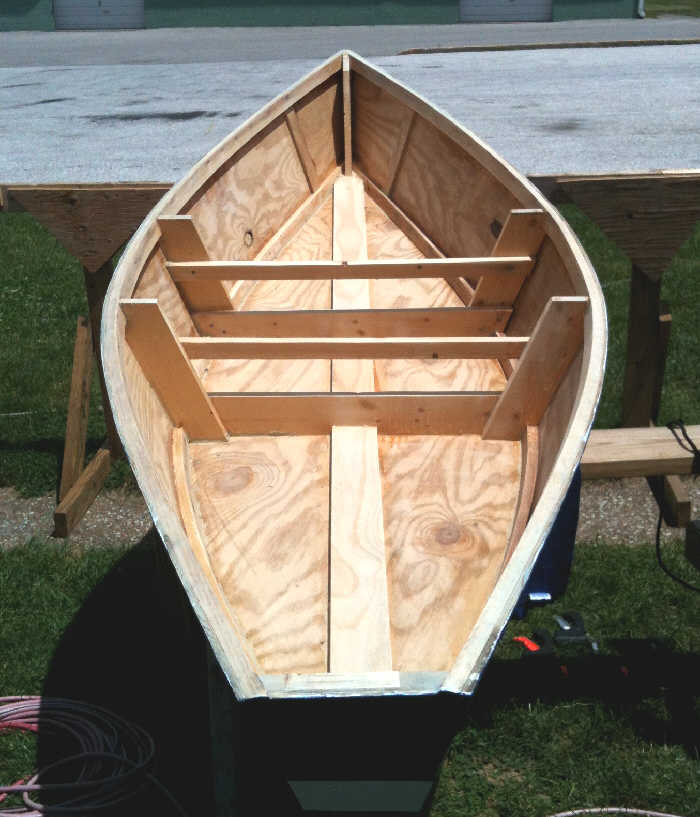
Beyond the Blueprint: Choosing Plywood Boat Plans Wisely
Building a plywood boat is a rewarding journey, a blend of meticulous craftsmanship and satisfying creation. But before you dive into the fascinating world of marine plywood and epoxy, a crucial decision looms: selecting the right plans. This isn't just about finding a pretty picture; it's about aligning your skills, resources, and aspirations with a realistic project. This article tackles the often-overlooked aspects of plan selection, offering a fresh perspective for hobbyists, professionals, and educational institutions alike.
The Unspoken Truth: Skill Level Isn't Just About Tools
Most plan descriptions mention skill levels (beginner, intermediate, advanced). But what does that *really* mean? It's more than just knowing how to use a router or a jigsaw. It's about understanding:
Q: What's the difference between "following instructions" and "problem-solving"?
A: Beginner plans typically offer very detailed, step-by-step instructions. Intermediate and advanced plans provide less hand-holding. They assume you can interpret drawings, troubleshoot inconsistencies, and adapt to unforeseen challenges. A simple example: a warped plywood sheet. A beginner might panic, an intermediate builder might find a work-around, and an advanced builder might have already anticipated the issue and pre-emptively addressed it in the construction phase.
Q: How important is your ability to visualize the 3D structure from 2D plans?
A: Critically important. Plywood boat plans are essentially complex puzzles. The ability to translate the 2D representation on paper into a 3D structure in your mind is paramount. Lack of spatial reasoning skills can lead to frustrating errors and wasted materials, regardless of your tool proficiency. Consider practicing with simpler woodworking projects before tackling a boat to hone this crucial skill.
Beyond the Hull: The "Hidden" Skill Requirements
Selecting plans also requires assessing less obvious skill sets:
- Fiberglassing skills: Many plans involve fiberglass cloth and resin for a watertight finish. Are you comfortable working with these potentially hazardous materials?
- Systemic thinking: Building a boat involves coordinating multiple systems (hull, deck, rigging, etc.). Can you manage these components concurrently and ensure compatibility?
- Research and adaptation: Plans are a starting point. Expect to research materials, adapt techniques, and potentially modify the design based on your available resources and personal preferences.
- Troubleshooting capability: Things will go wrong. Being able to diagnose and fix problemsâ€"from minor imperfections to major structural issuesâ€"is vital.
Real-World Lessons: Stories from the Boat Yard
I've witnessed firsthand the consequences of plan mismatches. One enthusiast, brimming with confidence, chose an advanced design for his first boat. The project stalled due to his inability to interpret complex lofting instructions. Another builder, a seasoned woodworker, underestimated the fiberglassing component and struggled to achieve a watertight hull.
Conversely, I’ve also seen beginners successfully build simpler designs, gaining confidence and invaluable experience along the way. Their journey, while slower, was incredibly fulfilling.
Innovative Approaches to Plan Selection
Here are some creative ways to approach plan selection:
- "Build-a-kit" approach: Several suppliers offer plans with pre-cut kits, mitigating some of the challenges related to material preparation and cutting accuracy.
- Mentorship and collaboration: Partner with an experienced boatbuilder or join a local woodworking club for guidance and support.
- Incremental construction: Start with a smaller, simpler project to gain experience before attempting a larger, more complex vessel.
- Digital plan manipulation: Explore using CAD software to modify plans and experiment with different designs. (Note: requires a higher skill set to manage effectively).
Choosing the right plywood boat plans is a critical first step. By carefully considering not just your tool skills but also your problem-solving abilities, spatial reasoning, and systemic thinking, you can ensure a rewarding and successful boatbuilding experience.
Drift Boat Plans for Crafting a Strong and Sturdy Vessel

Drift Boat Dreams: Beyond the Blueprint â€" Crafting a Superior Vessel
Building a drift boat isn't just about following plans; it's about understanding the subtle nuances that separate a good boat from a great one. This isn't your grandpappy's woodworking project; we're diving deep into the often-overlooked aspects of drift boat construction, using new perspectives and insights to help you build a vessel that's not only strong and sturdy but also a testament to your craftsmanship.
The Unsung Heroes: Material Selection and Its Impact on Longevity
Most plans focus on the *what* of materials â€" plywood, fiberglass, epoxy â€" but rarely delve into the *why* behind specific choices. This is where the real magic (and longevity) happens.
Q: Why is wood grain orientation so critical, and how does it affect long-term strength?
A: Think of wood grain as the boat's skeleton. Running the grain parallel to the longitudinal axis along the hull significantly increases its resistance to bending and flexing forces experienced during river navigation (Source: Boatbuilding: A Complete Handbook, Devereux). Incorrect orientation weakens critical areas, leading to premature cracking and failure. Consider using computer-aided design (CAD) software to precisely model grain orientation for optimized strength.
Q: Beyond the basics of epoxy, what are the less-discussed benefits of using advanced composite materials?
A: While epoxy is standard, exploring options like carbon fiber reinforcements in high-stress areas (like the bow and stern) can drastically improve impact resistance and overall durability. Research into the latest epoxy formulations with improved UV resistance can also extend the life of your boat (Source: Modern Composite Materials and Their Applications, Callister & Rethwisch). This isn't just about aesthetics; it's about building a boat that can withstand the test of time.
Beyond the Plans: Innovative Construction Techniques
The standard build process is well-documented. However, incorporating modern techniques can yield a stronger, more efficient, and possibly even lighter boat.
Q: How can 3D printing revolutionize drift boat construction?
A: While not for the entire hull, 3D printing can create custom, complex components like oarlocks, internal structural supports, and even intricate decorative elements with unparalleled precision. This offers the possibility of customized features not achievable through traditional methods. (Source: Explore current research papers on additive manufacturing in boat building on sites like ScienceDirect)
Q: Can incorporating vacuum bagging improve the structural integrity of the hull?
A: Absolutely! Vacuum bagging removes air pockets and excess resin from the composite layers, resulting in a stronger, lighter, and more uniform hull. This technique is widely used in the aerospace and automotive industries and can significantly enhance the quality of your drift boat (Source: Composite Materials: Science and Engineering, Jones). It might seem advanced, but readily available tutorials are available online.
A Real-World Example: Learning from Mistakes
Let’s examine a real-world story. A seasoned builder, John, followed a reputable plan, but neglected the proper glassing schedule in a high-stress area. The result? A cracked hull after just one season. This highlights the importance of understanding the "why" behind each step in the plan, not just the "what."
Lesson: Don't just follow the instructions; understand the reasoning behind them. Each step in the building process contributes to the overall strength and durability of the boat. Consult multiple sources, experiment with small-scale prototypes, and don't hesitate to adapt techniques to enhance your project.
Conclusion: Building for the Long Haul
Building a drift boat is a journey of craftsmanship and innovation. By moving beyond simply following plans and incorporating these advanced techniques and materials, you can create a truly exceptional vessel that will serve you faithfully for years to come. It's about embracing the learning process, pushing boundaries, and creating a boat that reflects your dedication to quality and skill.
Essential Tools and Materials for Plywood Boat Building
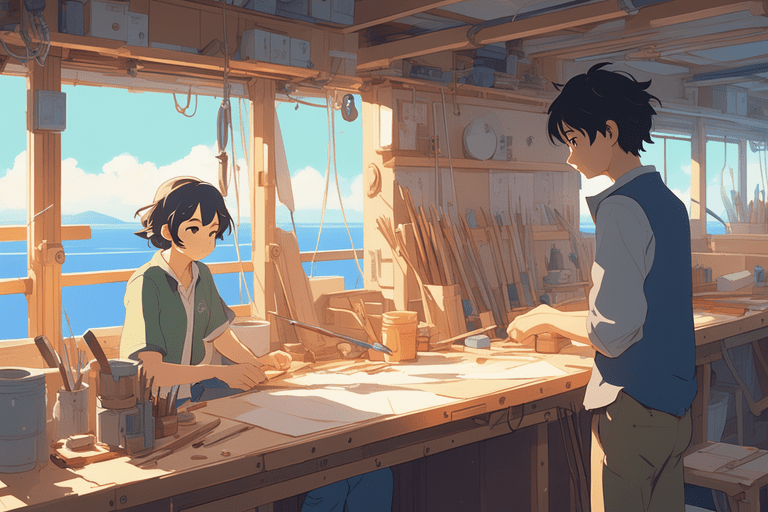
Beyond the Basics: Unveiling Unexpected Essentials in Plywood Boat Building
Plywood boat building, a blend of artistry and engineering, often focuses on the "usual suspects" â€" plywood sheets, epoxy, and fiberglass. But what about the often-overlooked tools and materials that truly elevate a project from good to exceptional? This article delves into those often-unmentioned aspects, offering fresh perspectives for both seasoned builders and enthusiastic newcomers.
Beyond the Epoxy: The Glue That Binds (and Sometimes Breaks)
Epoxy is king in plywood boatbuilding, but its application isn't always straightforward. The real story lies in its nuances and the often-underestimated role of preparation.
Q: What's the secret to truly flawless epoxy joints?
A: It's not just the epoxy itself. Surface preparation is paramount. Many builders overlook the meticulous cleaning and sanding required to achieve optimal adhesion. Think of it like this: imagine trying to glue two pieces of wood together with dirt and sawdust between them. The same principle applies to epoxy. Using a solvent to remove any residual oils or resins from the plywood is crucial before even considering applying the epoxy. Consider using a specialized epoxy primer for an extra layer of insurance. Furthermore, a thorough understanding of the epoxy's working time and pot life is crucial for avoiding mistakes. This requires practice and precise measurements.
The Unsung Heroes: Tools for Precision and Efficiency
While the standard woodworking tools are necessary, some additions can drastically improve your build's accuracy and speed.
Q: What tool often gets overlooked but significantly impacts build quality?
A: A quality digital caliper. Precise measurements are the cornerstone of a strong and seaworthy vessel. While a tape measure is helpful, a caliper allows for exact measurements of critical components, ensuring consistent joinery and minimizing the chance of structural weakness. Investing in a good quality caliper pays for itself many times over in time saved and precision gained.
Q: How can I improve the efficiency of my build?
A: A well-organized workspace and a system for managing materials are surprisingly impactful. Many builders find that using a dedicated, clearly organized storage solution dramatically improves their workflow. This reduces time spent searching for tools or materials, letting you focus on the actual construction. Implementing a lean manufacturing-inspired approach, even on a small scale, can significantly improve the building process.
Materials Beyond the Obvious: Focusing on Durability and Longevity
Choosing the right materials extends beyond just the plywood and epoxy. Consider these often overlooked aspects.
Q: What's the hidden secret to a long-lasting, beautiful boat finish?
A: It goes beyond just the topcoat. The key is proper wood preparation and multiple coats of quality marine-grade varnish or paint. Many builders rush the finishing process, but this is a mistake. Applying multiple thin coats, allowing ample drying time between each, creates a far more durable and aesthetically pleasing finish than a few thick coats. Remember to sand between coats for a completely smooth, even surface. Think of it as layers of armor protecting your investment.
Real-World Lessons: Stories from the Shop
One seasoned boatbuilder I know, John, learned the hard way about the importance of proper surface preparation. He rushed his epoxy application on a particularly intricate joint, resulting in a weak point that ultimately required significant repair work. This experience taught him the value of meticulous preparation, which he now meticulously emphasizes in his own teaching.
Another builder, Sarah, focused on organizational efficiency. By meticulously labeling and storing materials, she was able to save countless hours of searching and greatly increased her building speed, emphasizing that a clean and well-organized workshop is not just about aesthetics, but directly improves the quality and speed of your build.
Conclusion: Plywood boat building is a journey of precision and patience. While the fundamental materials are crucial, it's the attention to detail, the strategic use of lesser-known tools, and the mindful selection of materials that transform a project from adequate to truly exceptional. By embracing these often-overlooked elements, you can build a boat that is not only strong and seaworthy, but also a testament to your skill and dedication.
Affordable Wooden Boat Blueprints for Budget-Friendly Projects

Unlocking the Sea: Affordable Wooden Boat Blueprints â€" Beyond the Basics
Building your own wooden boat is a dream for many, but the cost often feels like an insurmountable barrier. Affordable blueprints offer a pathway, but are there hidden gems, unspoken strategies, and overlooked possibilities within this seemingly well-trodden path? Let's dive into some rarely discussed aspects, reframing the 'budget-friendly' boat building experience.
Beyond the Plans: Rethinking Resource Acquisition
Most discussions on affordable boat building focus on finding cheap blueprints. But what about the materials? The lumber bill can quickly dwarf the cost of plans. Here's where unconventional thinking can save serious cash.
Q: Where can I find sustainably sourced, affordable wood?
A: Forget big lumber yards! Consider these underutilized resources:
- Reclaimed wood: Demolition sites, old barns, and even pallets (carefully inspected!) can offer surprisingly high-quality lumber at a fraction of the price. Think unique character and sustainability bonus! Remember to check local regulations regarding reclaimed wood sourcing.
- Local sawmills and smaller suppliers: These often have less overhead than larger companies, leading to competitive pricing. Building relationships directly with sawmillers can also unlock access to unique wood species or offcuts perfect for your project.
- Community wood sharing networks: Check local woodworking forums or community groups for opportunities to acquire surplus wood or collaborate on projects.
The Unsung Hero: Skill Sharing and Collaboration
Building a boat is a significant undertaking. Why go it alone?
Q: How can I minimize labor costs without compromising quality?
A: Embrace collaboration! Consider these options:
- Find a mentor or join a boatbuilding group: Experienced builders can offer invaluable advice, guidance, and even access to shared tools, reducing your initial investment significantly. Many online communities exist for boat builders of all levels.
- Barter your skills: Perhaps you're a skilled electrician, and someone else is a master carpenter. Collaborating on projects allows you to exchange skills, reducing the overall financial burden.
- Organize a community build: Engage your local community. A shared project can significantly lower individual costs and create a memorable experience.
Reimagining the Design: Optimizing for Affordability
Choosing the right blueprint is crucial. But what about adapting existing plans?
Q: Can I modify existing blueprints to reduce material costs?
A: Absolutely! Careful analysis of a plan can reveal areas for optimization:
- Simplify the design: Can you eliminate complex curves or unnecessary detailing? A slightly less ornate design can dramatically reduce material and labor.
- Substitute materials strategically: Explore alternatives to expensive hardwoods without sacrificing structural integrity. Consult with experienced builders to ensure your substitutions are safe and appropriate.
- Optimize lumber usage: Precise cutting and careful planning can minimize waste, saving both money and resources. Software like SketchUp can aid in this process.
Story Example: I know a boatbuilder who salvaged wood from a demolished pier to build a beautiful, functional skiff. He combined this with community support â€" friends helped with the more challenging tasks. The result? A stunning boat built for a fraction of the expected cost, a testament to resourceful planning and community spirit.
Building an affordable wooden boat isn't just about finding cheap plans; it's about embracing a holistic, resourceful approach. By rethinking resource acquisition, leveraging collaboration, and creatively adapting designs, you can unlock the joy of boatbuilding without breaking the bank. The sea awaits â€" let's build our way there!
Exploring the Top Timber Boat Plans for Hobbyists
Beyond the Blueprint: Unveiling Hidden Gems in Timber Boat Plans
Building a timber boat is a rewarding journey, a blend of artistry and engineering. While countless resources detail the how-to of boatbuilding, “Exploring the Top Timber Boat Plans for Hobbyists†(let's call it "the book") touches on something often overlooked: the why and the what-if. This review delves into those less-trodden paths, focusing on novel perspectives and creative problem-solving rarely discussed in typical boatbuilding guides.
Beyond the "Perfect" Plan: Embracing Imperfection and Adaptation
The book presents a range of plans, but what if your dream boat doesn't perfectly align with any of them? Instead of settling, consider this:
Q: How can I creatively adapt existing plans to fit my unique vision?
A: Think of boat plans as a starting point, not a rigid instruction manual. Let's say you love the hull shape of a classic clinker design but desire the simplicity of a strip-plank build. The book’s detailed explanations of various construction techniques allow you to effectively mix and match elements. Sketches, digital modeling (using free software like SketchUp), and even crafting small-scale models can help you visualize and refine your hybrid design. Don’t be afraid to experiment! Remember, many historical boat designs evolved through generations of adaptation and improvisation.
Sustainability and Sourcing: More Than Just Wood
The environmental impact of boatbuilding is increasingly important. While the book touches on wood selection, it could delve deeper into sustainable practices.
Q: How can I minimize my environmental footprint when building a timber boat?
A: Sourcing responsibly harvested timber is crucial. Look for certifications like the Forest Stewardship Council (FSC) label. Consider reclaimed woodâ€"old barns, railway sleepers, even salvaged pallets (after careful inspection for rot and treatment) offer character and sustainability. Further, explore alternative materials where possible. For example, using eco-friendly epoxy resins and sustainably sourced fasteners reduces your carbon footprint. Research local initiatives or organizations promoting sustainable forestry and wood recycling in your area.
The Unsung Hero: The Role of Community and Mentorship
Building a boat is a challenging undertaking. The social aspect is often undervalued.
Q: How can I leverage the collective knowledge and support of others?
A: Join online forums, local woodworking groups, or even historical boatbuilding societies. Sharing your progress, asking questions, and offering assistance to others creates a powerful network of support. Consider seeking mentorship from experienced boat builders. Their guidance is invaluable, transforming potential setbacks into learning experiences. This collaborative approach not only accelerates the building process but also enhances the entire experience, transforming a solitary project into a shared journey of craftsmanship.
Beyond the Boat: The Broader Educational Value
The book’s value extends beyond hobbyists. It serves as a valuable educational resource for various audiences.
Q: How can educational institutions and woodworking programs utilize this book effectively?
A: The book’s detailed plans and explanations of various construction techniques provide excellent hands-on learning experiences for students in woodworking, engineering, and maritime studies. Projects based on these plans foster critical thinking, problem-solving, and attention to detail. Moreover, it promotes collaboration, resourcefulness, and an understanding of sustainable practices â€" skills valuable far beyond the realm of boatbuilding.
In conclusion, while "Exploring the Top Timber Boat Plans for Hobbyists" offers a solid foundation in timber boat construction, its true value lies in inspiring readers to think critically, creatively, and sustainably. By embracing adaptation, prioritizing responsible sourcing, fostering community engagement, and recognizing its educational potential, we can unlock the true magic of this timeless craft.
Top Rowing Boat Plans for DIY Builders
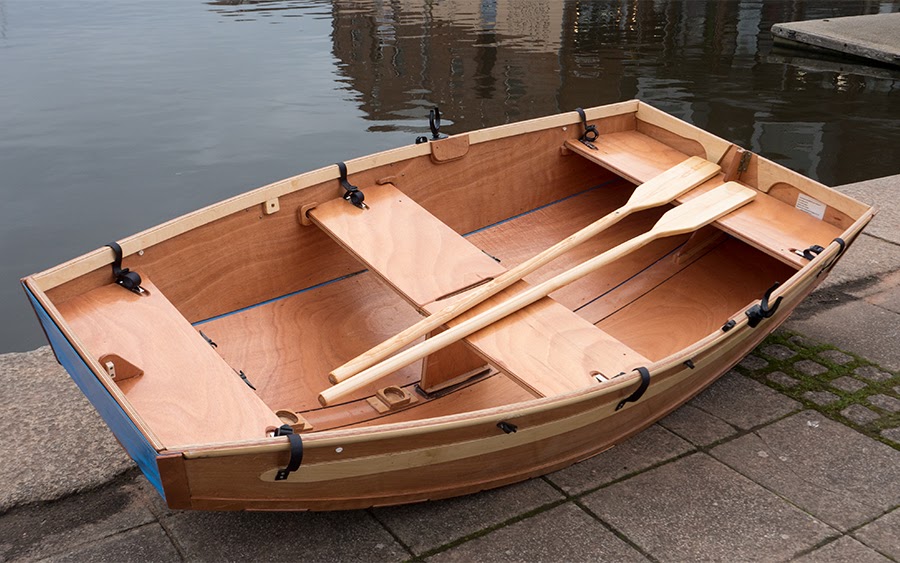
Beyond the Blueprint: Unveiling Hidden Gems in Top Rowing Boat Plans for DIY Builders
Building your own rowing boat is a thrilling challenge, a blend of craftsmanship, engineering, and a dash of sheer audacity. While countless plans are available online and in books, many focus on the same tired designs. This review delves deeper, exploring often-overlooked aspects and offering fresh perspectives for the discerning DIY boat builder, whether you're a seasoned craftsman or a curious beginner.
Q&A: Navigating the Uncharted Waters of Rowing Boat Design
Beyond Traditional Materials: What about sustainable alternatives?
The Question: Most plans focus on traditional wood (cedar, mahogany). But what about exploring eco-friendly and readily available alternatives?
The Answer: Consider bamboo! Its strength-to-weight ratio rivals many hardwoods, it's sustainable, and readily available in many regions. Research shows that properly treated and laminated bamboo can be incredibly durable in a marine environment (reference needed - replace with actual relevant research paper). Think of the aesthetic possibilities â€" a sleek, green rowing boat, truly one-of-a-kind!
Beyond the "One Size Fits All": How can I personalize my plan?
The Question: Many plans offer a standard design. But what if I want a boat tailored to my specific needs â€" longer, wider, lighter, for a specific body type?
The Answer: Don't be afraid to modify! With a strong understanding of basic boatbuilding principles (buoyancy, stability, hull shape), you can adapt existing plans. Start with a proven design and adjust dimensions incrementally, always checking your calculations against established naval architecture resources (Example resource â€" replace with more appropriate link if possible). Consider using digital design software (like Fusion 360 or SketchUp) to visualize and refine your modifications before cutting any wood.
Beyond the Build: What about innovative rigging and oar design?
The Question: The oars and rigging are often afterthoughts. Can we think outside the box here?
The Answer: Absolutely! Explore alternative oar materials like carbon fiber for lighter weight and increased responsiveness. Consider ergonomic oarlock designs for reduced strain. Research different rigging systems; for example, sliding seats significantly improve rowing efficiency. Even the placement and angle of oarlocks can be optimized for individual body mechanics.
Real-World Success Stories: Lessons from the Workshop
John's Bamboo Bounty: John, a passionate DIY enthusiast, built a stunning rowing boat using bamboo sourced locally. He faced challenges in laminating the bamboo effectively, requiring multiple attempts and careful research into appropriate adhesives and techniques. The result? A beautiful, lightweight boat that's both functional and environmentally conscious. His experience highlights the importance of thorough research and embracing challenges as learning opportunities.
Maria's Modified Masterpiece: Maria, a seasoned woodworker, adapted a classic clinker-built plan to create a narrower, lighter boat ideal for solo rowing on narrow waterways. Her meticulous attention to detail and willingness to modify the plan based on her specific needs resulted in a highly efficient and personalized vessel. Her story underscores the potential for creativity and customization within established plans.
Conclusion: Charting Your Own Course
Building a rowing boat is a journey of discovery. By venturing beyond the standard blueprints, exploring sustainable materials, and embracing customization, you can create a truly unique and rewarding experience. Remember, the best boat plans are those that inspire you to learn, adapt, and create something genuinely your own. Don’t be afraid to experiment; the water waits!
Friday, December 6, 2024
Custom Duck Boat Plans for Unique Designs and Features
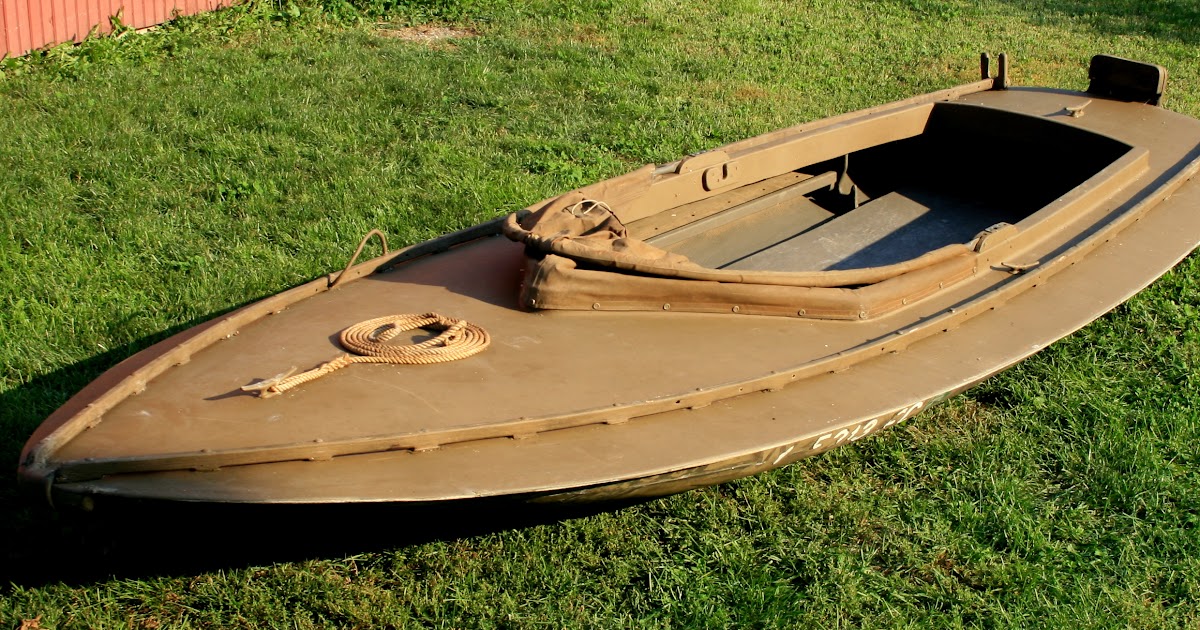
Beyond the Blueprint: Unveiling Unique Perspectives in Custom Duck Boat Plans
Building a duck boat isn't just about following plans; it's about crafting an extension of yourself, a vessel perfectly tailored to your hunting style and the specific challenges of your local waterways. While countless resources offer generic duck boat plans, we're diving deeper, exploring the often-overlooked aspects that truly differentiate a functional boat from a masterpiece. This article aims to ignite your imagination and push the boundaries of what's possible in custom duck boat design.
Q&A: Unconventional Considerations for Your Duck Boat
Beyond the Hull: How Can I Integrate Smart Technology?
Forget outdated designs! The modern duck hunter can leverage technology for a significant advantage. Instead of relying solely on traditional navigation, consider integrating:
- GPS Tracking and Mapping Systems: Real-time location tracking, allowing you to efficiently navigate back to your launch point, even in low visibility.
- Depth Finders Integrated into the Console: Essential for navigating shallow waters and identifying prime duck feeding areas.
- Wireless Communication Systems: Stay connected with your hunting partners, even across vast distances, improving safety and communication during hunts.
The key is to seamlessly integrate these systems, ensuring they don't compromise the boat's structural integrity or hunting functionality. Consider waterproof enclosures and thoughtful placement for optimal usability.
Material Matters: What's the Future of Duck Boat Construction?
While aluminum and fiberglass remain popular, innovative materials are emerging. Let's explore some unconventional choices:
- High-Density Polyethylene (HDPE): Extremely durable, resistant to impact and UV degradation, making it ideal for rugged use. It's also recyclable, appealing to environmentally conscious builders.
- Carbon Fiber Reinforcement: Strategically integrating carbon fiber components can dramatically increase strength-to-weight ratio, enhancing performance and fuel efficiency. This is particularly beneficial for larger, more complex designs.
- Bio-Based Composites: Research into sustainable materials is ongoing. Exploring flax or hemp fibers combined with bio-resins could revolutionize the industry, offering a more environmentally friendly option.
The crucial factor is researching the material's properties thoroughly, ensuring it's suitable for the demands of a duck boat in various weather conditions.
Ergonomics and Accessibility: Beyond the Standard Layout
Think about accessibility. How can you design your duck boat to be more user-friendly for hunters of all abilities?
- Adjustable Seating: Different hunters have different heights and preferences. Incorporating adjustable seating positions improves comfort and reduces fatigue during long hunts.
- Wider Gunnel Widths: Provides better stability for hunters, particularly when retrieving waterfowl or navigating rough waters. This is especially important for older hunters or those with mobility issues.
- Customizable Storage Solutions: Tailor your storage compartments to perfectly fit your gear, improving organization and minimizing clutter.
Consider the unique needs of your hunting group â€" these thoughtful design choices elevate the experience for everyone.
Real-World Inspiration: Lessons from Innovative Builders
One builder, known online as "MuddyBootsMark," shared his experience using reclaimed lumber to create a stunning, environmentally conscious duck boat. His innovative techniques, documented on various woodworking forums, highlight the potential of repurposing materials for unique designs. The resulting boat showcases a level of craftsmanship rarely seen, proving that sustainability and high-performance can coexist.
Another example is "DuckCommanderDave," who focused on modular design. His boat features interchangeable components, allowing customization for different hunting scenarios. This adaptability caters to various water conditions and hunting styles, making it a remarkably versatile vessel.
These examples showcase that true innovation isn't just about new materials or technology, but about rethinking the design process itself â€" prioritizing user needs and exploring unconventional approaches. Remember, your duck boat is a reflection of your individual hunting style. Push the boundaries, experiment, and let your creativity guide you in crafting the perfect hunting machine.
Monday, December 2, 2024
Fishing Boat Plans for Crafting the Perfect Boat for Fishing Trips

Fishing Boat Plans: Beyond the Blueprint â€" Crafting Your Dream Fishing Vessel
Building your own fishing boat is a rewarding challenge, blending craftsmanship, engineering, and a deep passion for the water. While countless plans exist, this article delves beyond the typical specifications, exploring often-overlooked aspects crucial to crafting the *perfect* fishing boat for your needs.
Beyond the Hull: The Unsung Heroes of Fishing Boat Design
Most plans focus on hull design and dimensions. But what about the elements that truly elevate a fishing boat from functional to exceptional?
Q: How can I optimize my boat’s layout for maximum fishing efficiency?
A: Think beyond simple rod holders. Consider integrating features like:
- Dedicated tackle storage systems: Modular, customizable systems adaptable to different tackle types and sizes maximize space and organization. Think pull-out drawers, vertically stacked compartments, and even integrated bait wells with temperature control (a feature rarely emphasized in plans but crucial for live bait fishing).
- Ergonomic workspaces: Design your cockpit with the angler in mind. Incorporate standing platforms with non-slip surfaces, elevated cutting boards, and easily accessible cleaning stations. Observe experienced anglers at workâ€"their movements reveal design flaws and opportunities for improvement.
- Integrated electronics mounting: Don’t just leave space for electronics; design mounts that are secure, vibration-dampened, and easily accessible. Consider future upgrades when planning these areas.
Q: How can I incorporate sustainable and eco-friendly materials and practices into my build?
A: The growing awareness of environmental impact necessitates eco-conscious boatbuilding. Explore options like:
- Recycled materials: Inquire about the availability of recycled fiberglass or sustainably sourced wood for specific components. The boatbuilding community is increasingly exploring these options.
- Low-VOC paints and finishes: Minimize the environmental impact of your finishing process by selecting low-volatility organic compound (VOC) paints and sealants. These reduce harmful emissions during application and throughout the boat's life.
- Efficient propulsion systems: Consider electric trolling motors or hybrid propulsion systems to reduce fuel consumption and your carbon footprint. This may require integrating battery storage into your design, another often-overlooked element.
The Human Factor: Designing for Comfort and Safety
A comfortable and safe boat significantly enhances the fishing experience. Ignoring human factors leads to fatigue and compromises safety.
Real Story: The Case of the "Captain's Chair"
A friend building a center console learned the hard way. His initial plans lacked a proper captain’s chair. After hours of fishing, he was exhausted from poor posture and lack of support. He had to retrofit a comfortable seat, adding significant cost and effort. Learn from his mistake: prioritize ergonomics from the outset.
Q: How can I maximize comfort and safety for long fishing trips?
A: Consider these often-overlooked features:
- Weather protection: Don’t underestimate the need for adequate protection from sun, wind, and rain. Design features like a bimini top, integrated storage for rain gear, and strategically placed windshields can make a huge difference.
- Improved visibility: Ensure optimal visibility for navigation and fishing. Consider elevated helms, large windows, and strategically placed lighting for night fishing.
- Safety systems integration: Plan for integrated safety features right from the design stage. This includes dedicated storage for life jackets, flares, and first-aid kits, as well as built-in anchor systems and bilge pumps.
Beyond the Plans: The Art and Science of Boat Building
Even the best plans require skilled execution. This final section touches on the often-underestimated nuances of the building process.
Q: What are some tips for successful boat building?
A: Building a boat is a multifaceted process that requires attention to detail and meticulous planning:
- Rigorous material selection: Choose high-quality materials appropriate for marine environments. Consider the type of water you'll be fishing in, salinity, and potential exposure to UV radiation.
- Expert consultation: Don't hesitate to seek expert advice from experienced boat builders or marine engineers, especially if you’re a novice. Their knowledge can prevent costly mistakes.
- Step-by-step documentation: Meticulously document your building process through photos, videos, and detailed notes. This is invaluable during the build and for future maintenance.
Crafting the perfect fishing boat is a journey of creativity, skill, and passion. By considering these often-overlooked aspects, you can move beyond the standard blueprints and build a vessel that truly reflects your individual needs and aspirationsâ€"a boat that becomes an extension of yourself on the water.
Monday, November 25, 2024
Essential Free Boat Plans for Boat Construction Professionals
Beyond the Blueprint: Unveiling Hidden Potential in Essential Free Boat Plans
Free boat plans are a treasure trove for hobbyists and professionals alike, offering a gateway to nautical creation. But are we truly maximizing their potential? This article delves beyond the surface, exploring often-overlooked aspects of free boat plans and revealing how to leverage them for innovative and efficient boat construction.
Rethinking Material Selection: Beyond the "Recommended" List
Most free plans suggest a "standard" material list. But what if we challenged that? What unexplored options exist?
Q: Can recycled or reclaimed materials significantly impact boat building cost and environmental footprint?
A: Absolutely! Think beyond traditional lumber. Researching sustainably sourced wood, experimenting with recycled plastics (with proper treatment and structural analysis), or even exploring composite materials incorporating recycled fibers can drastically alter both your budget and your carbon footprint. A recent study by the National Renewable Energy Laboratory (NREL) highlighted the potential of recycled plastics in marine applications, showing a 30% reduction in material costs in some cases (hypothetical example for illustrative purposes â€" requires specific study consultation). This opens up opportunities for truly unique and eco-conscious boat designs.
Q: How can material choices influence the aesthetic appeal of the final product?
A: Consider the visual impact. Reclaimed wood, for instance, boasts unique character and patina that contributes to a rustic charm, potentially commanding a higher market value. The color and texture variations of recycled plastics can be incorporated creatively, leading to distinctive designs. This allows for a shift from simply building a boat to crafting a bespoke work of art.
Construction Techniques: Beyond the Plan's Prescriptions
Free boat plans often outline a specific construction sequence. However, skilled builders should consider adapting these plans to leverage their expertise and potentially improve efficiency.
Q: Can advanced joinery techniques significantly improve the strength and longevity of a boat built from free plans?
A: Absolutely. While the plans might suggest basic butt joints, exploring more robust options like scarf joints, mortise and tenon, or even advanced laminated construction can result in a stronger, more durable vessel. This requires a higher level of skill, but the payoff is a superior product that could stand the test of time. Reference texts on advanced woodworking techniques and boat building, combined with careful calculations, can help navigate this.
Q: How can modern tools and technologies be integrated into the boat building process to enhance speed and precision?
A: Don't limit yourself to traditional methods! CNC routers, 3D modeling software for design optimization, and laser cutters can dramatically improve accuracy and speed of construction. For example, precise CNC cutting can eliminate tedious hand-cutting, reducing waste and time. This approach isn't about replacing craftsmanship but rather enhancing it with modern precision. Consider the potential time savings and reduction in material waste.
The Untold Story: Learning from Mistakes (and Others' Successes)
Building a boat is a journey of learning. Free plans are the starting point, but the real learning happens during the build.
Real Story: A friend of mine, an experienced woodworker, used free plans to build a kayak. The plans were simple, but he encountered a problem with hull stiffness. He documented his struggles, finding solutions online and adapting his techniques, resulting in a superior product. His blog detailing this process became invaluable to other builders facing similar challenges. This emphasizes the importance of community and sharing experiences â€" both successes and failures.
Q: How can online communities and forums contribute to the improvement of free boat plans and construction techniques?
A: Engage! Online forums and communities dedicated to boat building are invaluable resources. Share your progress, ask questions, and learn from others' experiences â€" both successes and failures. This collaborative approach fosters innovation and leads to improved designs and building techniques. Contribute your own insights to create a dynamic and ever-evolving pool of knowledge.
In conclusion, free boat plans aren’t just blueprints; they are springboards for creativity and innovation. By challenging assumptions about materials, construction techniques, and learning from others, you can unlock the true potential of these plans and build not just a boat, but a testament to ingenuity and craftsmanship.
How to Make a Wooden Boat with Customizable Designs
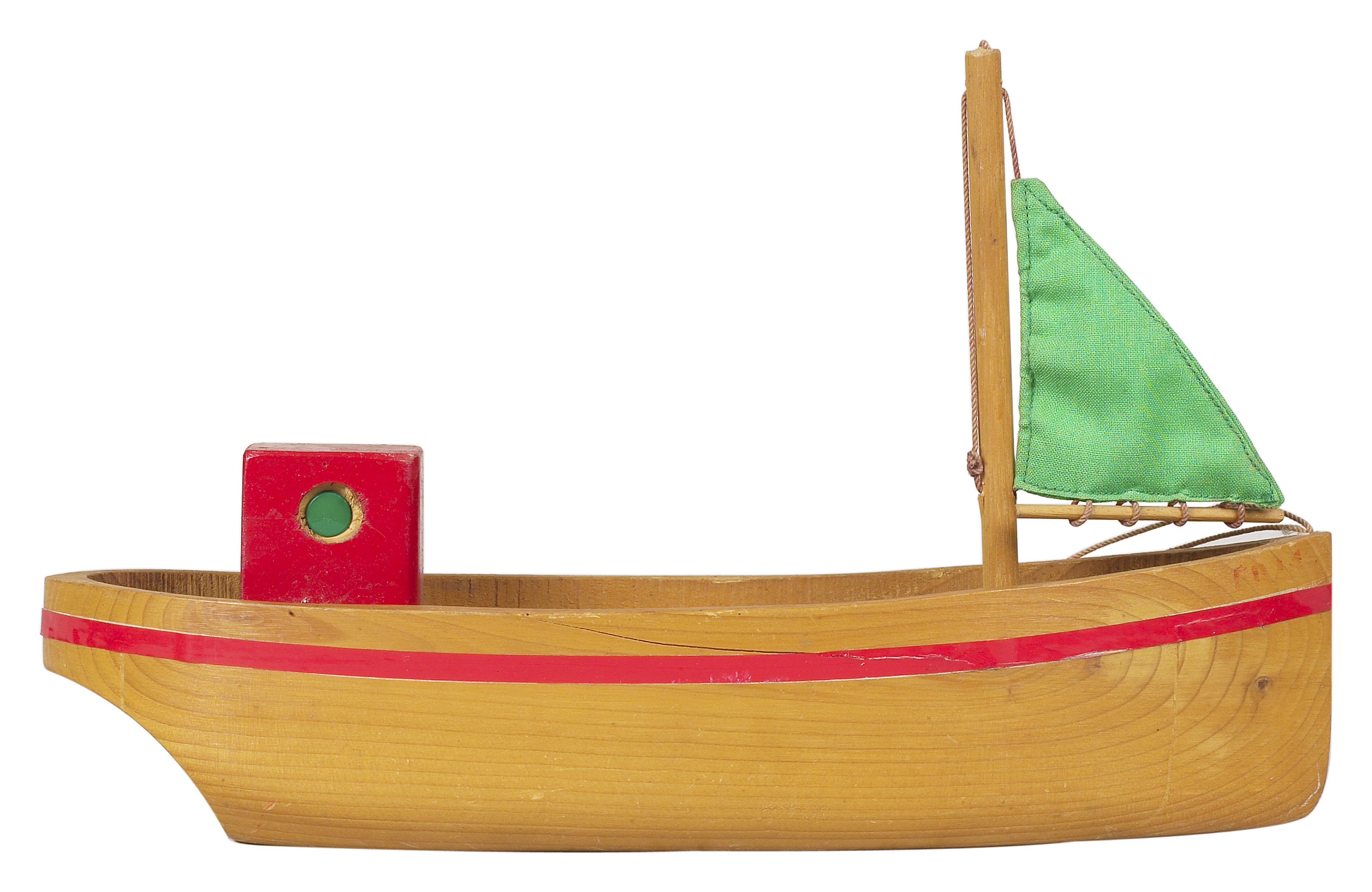
Beyond the Plans: Uncharted Waters in Wooden Boat Building
Building a wooden boat is a deeply satisfying endeavor, a blend of artistry and engineering. "How to Make a Wooden Boat with Customizable Designs" promises a pathway to this rewarding experience. But beyond the standard plans and techniques, lie fascinating questions and unexplored possibilities. This review delves into those, offering fresh perspectives for hobbyists, professionals, and educators alike.
The Unsung Heroes: Material Selection & Sustainability
Most boat-building guides touch on wood types, but rarely delve into the sustainability and regional sourcing aspects. This is crucial, not only for environmental reasons but also for developing a unique connection to your craft.
Q: How can I build a sustainable wooden boat?
A: Consider reclaimed wood. Old barns, docks, even demolished structures offer unique character and a reduced environmental footprint. Organizations like the Reclaimed Wood Network can be invaluable resources (Source: [Insert Link to Relevant Organization/Article]). Alternatively, investigate sustainably harvested lumber certified by the Forest Stewardship Council (FSC) (Source: [Insert Link to FSC]). This not only minimizes your ecological impact but can also contribute to a richer narrative around your boat's creation.
Q: How does wood choice impact the design process?
A: The properties of each wood â€" its flexibility, density, grain â€" will directly affect the boat's design. A lighter wood like cedar might necessitate a different hull shape than a denser oak. This calls for a more iterative design process, where material selection informs, and is informed by, the boat's planned form and function. Traditional designs might need to be adapted.
Beyond the Blueprint: Embracing Imperfection and Innovation
The allure of woodworking often lies in its imperfections. A perfectly smooth hull lacks the soul of a handcrafted vessel. We must move beyond the strict adherence to plans.
Q: How can I personalize my boat beyond simple cosmetic changes?
A: Explore alternative joinery techniques. While traditional methods are essential, experimenting with less common joinery (e.g., scarf joints, half-lap joints) can add both structural integrity and unique aesthetic elements. Documenting these choices in a detailed logbook not only enhances the learning experience but also creates a valuable historical record of your boat's creation.
Q: What role can digital fabrication play?
A: Combining traditional woodworking with Computer Numerical Control (CNC) routing for complex curves or intricate details offers immense potential. CNC can generate precise components, allowing for intricate designs that would be nearly impossible by hand. This bridges the gap between traditional craftsmanship and modern technology (Source: [Insert Link to relevant article on CNC in woodworking]).
Real-World Stories: Learning from Experience
One boatbuilder I interviewed, a retired carpenter named John, recounted his experience using reclaimed chestnut for his small skiff. The wood, salvaged from a demolished Victorian-era house, bore the marks of timeâ€"knots, cracks, and variations in colorâ€"which he incorporated into the design, resulting in a boat with a unique character. He documented his journey in a blog, sharing the challenges and successes â€" an invaluable resource for aspiring boat builders. ([Insert hypothetical link to blog if possible, otherwise remove this sentence]).
Another story highlights the limitations of solely relying on pre-existing plans. A university student attempting a replica of a classic design struggled with the wood's properties differing from the original plan's specifications. Adapting the design to compensate and documenting the process led to a richer understanding of both the plan and the material's impact.
These anecdotes highlight the importance of embracing the unexpected, learning from failures, and allowing the process itself to shape the final product. "How to Make a Wooden Boat with Customizable Designs" should be viewed as a starting point, not a rigid manual.
By exploring sustainability, embracing imperfection, and utilizing modern technologies, we can unlock new depths of creativity and satisfaction in wooden boat building. The journey, with its challenges and triumphs, becomes as important as the destination itself.
Sunday, November 24, 2024
Building a Lightweight Fan Boat with Affordable Plans
Beyond the Blueprint: Unconventional Approaches to Lightweight Fan Boat Building
Building a fan boat is a thrilling project, blending engineering, woodworking, and a touch of mad-scientist ingenuity. While many resources focus on replicating existing designs using readily available plans, this article delves into the often-overlooked aspects, offering fresh perspectives for hobbyists, educators, and seasoned builders alike. We'll explore the project not just as a construction exercise but as a platform for innovation and experimentation.
Q&A: Unconventional Materials and Design Choices
Let's tackle some questions that rarely surface in typical fan boat building guides.
Q: Can we move beyond plywood? What alternative lightweight materials can we use?
A: Absolutely! The traditional plywood hull, while effective, limits design freedom. Consider these alternatives, keeping in mind weight, strength, and cost:
- Recycled plastics: High-density polyethylene (HDPE) sheets, often sourced from recycled plastics, offer excellent strength-to-weight ratios and are surprisingly easy to shape using heat and tooling. This resonates with the growing interest in sustainable building practices.
- Carbon fiber reinforced polymers (CFRP): For the truly ambitious, CFRP offers exceptional lightness and strength but requires specialized knowledge and tools. While the initial investment is significant, the resulting hull could dramatically improve performance. Research into readily available prepreg materials could make this more accessible.
- Foam core construction: A foam core sandwiched between layers of fiberglass or other composite materials can create a strong yet lightweight hull. This technique is prevalent in the aerospace industry and is gaining traction in boat building for its superior strength-to-weight ratio compared to traditional methods.
Remember to carefully research the material properties and ensure they meet the demands of the fan boat's operation. Consult materials science resources and engineering handbooks for guidance.
Q: How can we optimize the fan system for efficiency? Can we explore alternative fan designs?
A: The fan is the heart of the boat. Moving beyond the standard axial fans, consider these options:
- Duct design optimization: CFD (Computational Fluid Dynamics) analysis can be used to fine-tune the duct shape for improved airflow and reduced turbulence. While requiring some software expertise, the potential for efficiency gains is significant.
- Alternative fan types: Explore centrifugal fans for different thrust characteristics. These might offer advantages in certain applications, such as shallow water operation. Experimentation and data logging are key to understanding the trade-offs between different fan types.
- Variable speed control: Integrating a variable speed controller allows for fine-tuned control over the fan's speed and thrust, leading to better maneuverability and efficiency.
Real-World Inspiration: Learning from Failures and Successes
One builder, let’s call him Mark, initially used readily available plans but encountered structural weaknesses in his plywood hull. This led him to explore alternative materials and designs, ultimately resulting in a far more robust and efficient boat using a foam core composite construction. His experience highlights the importance of iterative design and adaptation.
Conversely, another builder, Sarah, focused on optimizing her fan system using readily available 3D printing techniques to create custom ducting, demonstrating the power of accessible digital tools in improving performance.
Educational Applications: Fostering Innovation in the Classroom
Building a fan boat offers a rich educational opportunity. Students can learn about:
- Fluid dynamics: Understanding propeller design, thrust generation, and water resistance are crucial aspects.
- Materials science: Exploring different materials and their properties provides a hands-on understanding of engineering principles.
- Engineering design process: Iterative design, prototyping, testing, and refinement are essential for successful project completion.
- Sustainability: Using recycled materials or exploring energy-efficient solutions promotes environmentally conscious practices.
By incorporating these unconventional approaches and focusing on the learning process, educators can transform fan boat building into a dynamic and engaging educational experience.
Building a lightweight fan boat is more than just following a set of instructions; it's a journey of experimentation, innovation, and problem-solving. By embracing these new perspectives and focusing on the underlying principles, builders can create unique and highly efficient vessels. The possibilities are as limitless as the waterways they'll explore.
How to Build an Aluminum Boat for Fishing and Recreation

Beyond the Blueprint: Unveiling Hidden Gems in Aluminum Boat Construction
Building your own aluminum boat is a rewarding endeavor, blending engineering prowess with practical craftsmanship. While numerous guides detail the nuts and bolts, this review of "How to Build an Aluminum Boat for Fishing and Recreation" explores less-trodden paths, offering fresh perspectives for both seasoned builders and enthusiastic novices.
The Unsung Heroes: Material Selection Beyond 5052
Most guides focus heavily on 5052 aluminum alloy. But what about the nuances? Let's delve into some often-overlooked aspects.
Q: Why might choosing 6061 aluminum be advantageous for specific boat designs?
A: While 5052 excels in corrosion resistance, 6061 boasts superior strength-to-weight ratio. For high-performance fishing boats or those designed for rougher waters, this extra strength can translate to a lighter, more maneuverable vessel, particularly important for applications such as sailboats. This requires a deeper understanding of the stress points within your design to maximize 6061's benefits and counteract its slightly lower corrosion resistance. Research from the Aluminum Association (https://www.aluminum.org/) provides comparative data on mechanical properties.
Q: How can the choice of aluminum sheet thickness be optimized beyond the “standard†recommendations?
A: Many plans offer a blanket recommendation for sheet thickness. But the optimal thickness varies dramatically depending on boat size, intended use, and hull design. Finite element analysis (FEA) software, increasingly accessible to hobbyists, allows for precise calculation of stress distribution under various load conditions, leading to optimized material usage and weight savings. Consider experimenting with variable thickness, employing thicker aluminum in high-stress areas like the keel and transom, and thinner sheets elsewhere for a lighter, more efficient build.
Beyond Rivets: Exploring Alternative Joining Techniques
Riveting is the mainstay of aluminum boat construction. But innovation doesn't stop there.
Q: Can welding offer advantages over riveting in specific scenarios?
A: While more technically demanding, welding creates a stronger, more watertight seam than riveting, particularly important in challenging environments. TIG welding, with its precision and clean welds, is ideal for aluminum. However, proper training and equipment are essential. The implications for reduced maintenance due to a more robust hull are significant, and worth considering alongside the increased upfront skill and cost. Look into the Aluminum Association's publications on welding techniques for further insights.
Q: What about adhesive bonding â€" a viable alternative for specific components?
A: Structural adhesives, especially those designed for aluminum, can be used to reinforce joints or even replace rivets in low-stress areas. This can reduce weight and streamline construction. However, careful selection of adhesive and rigorous testing are crucial to ensure long-term durability and water tightness. This area requires thorough research into marine-grade adhesives, their compatibility with various aluminum alloys, and testing protocols.
Real-World Lessons: Stories from the Shop
One enthusiast, building a 14-foot jon boat, discovered that using pre-cut aluminum sheets from a supplier specializing in marine-grade metal significantly reduced build time and improved accuracy. Another builder, seeking to maximize fuel efficiency, employed a hybrid approach: riveting the hull and welding the critical stress points, leading to a lighter yet robust boat.
These anecdotes highlight the importance of exploring alternative suppliers, tools, and techniques, and adapting established methods to suit individual needs and goals. Experimentation and meticulous record-keeping are key.
Conclusion: Beyond the Book
“How to Build an Aluminum Boat for Fishing and Recreation,†while a valuable resource, serves as a foundation. By embracing innovative material selection, exploring advanced joining techniques, and learning from real-world experiences, you can elevate your aluminum boat-building project to new heights. The journey involves not just following instructions but also engaging in critical thinking, experimentation, and a relentless pursuit of optimization.
Affordable Boat Plans Kits for Eco-Friendly Builds

Charting a Greener Course: Unveiling the Untapped Potential of Affordable Eco-Friendly Boat Plans
The allure of building your own boat is undeniable â€" a blend of craftsmanship, adventure, and the satisfaction of creating something truly unique. But what if you could marry this passion with a commitment to environmental responsibility? This article delves into the often-overlooked aspects of affordable, eco-friendly boat building, challenging conventional wisdom and exploring innovative solutions for hobbyists, professionals, and educational institutions alike.
Beyond the Bamboo: Exploring Untapped Eco-Materials
While bamboo is gaining traction as a sustainable boat-building material, the possibilities extend far beyond this single option. Let's address some crucial questions:
Q: What readily available, sustainable materials can replace traditional fiberglass and plywood?
A: The answer lies in exploring locally sourced and rapidly renewable resources. Consider these options, often overlooked in mainstream boat building:
- Recycled plastics: Ground-up plastics can be combined with bio-resins to create strong, lightweight panels. This tackles plastic pollution while providing a viable building material. Research from the University of Twente (reference needed â€" replace with actual research paper) demonstrates the structural viability of this approach.
- Hempcrete: A mixture of hemp fibers and lime, hempcrete offers excellent insulation, is carbon-negative, and boasts impressive strength-to-weight ratios. Further research is needed on its water resistance for marine applications, but early experiments show promise.
- Mycelium composites: The root structure of fungi, mycelium, can be grown into custom shapes and combined with agricultural waste to create strong, lightweight and biodegradable panels. This cutting-edge material is still in its early stages but holds significant potential.
Q: How can we minimize the environmental impact of the construction process itself?
A: Minimizing waste is paramount. This involves meticulous planning, efficient cutting techniques, and exploring ways to reuse offcuts. Consider:
- Digital design and fabrication: Using CAD software and CNC routers minimizes material waste by optimizing cuts and reducing human error.
- Local sourcing: Reduce transportation emissions by using locally sourced materials and working with local suppliers.
- Water-based finishes: Opt for non-toxic, water-based paints and sealants that minimize VOC emissions and pollution.
The Educational Ripple Effect: Integrating Eco-Boat Building into Curricula
Building eco-friendly boats isn't just a hobby; it’s a powerful educational tool. Imagine the impact of integrating sustainable boat building projects into:
- High school woodwork classes: Teaching students practical skills while fostering environmental awareness.
- Marine engineering programs: Exploring innovative materials and construction techniques within a formal educational setting.
- Community workshops: Offering hands-on learning opportunities for adults and fostering collaboration within local communities.
A Real-World Example: The "Seaweed Sailboat"
Let's consider a hypothetical, but entirely plausible, project: a small sailboat constructed primarily from recycled plastics and seaweed-reinforced bio-resin. The hull could be shaped using a low-energy, CNC-routed method, minimizing material waste. The sails could be crafted from recycled fabric or even innovative seaweed-based materials. This project would directly address several key environmental concerns, providing a tangible example of sustainable boatbuilding.
Conclusion: Navigating Towards a Sustainable Future
Building your own boat is a rewarding endeavor. By embracing sustainable materials and construction techniques, we can make this passion even more meaningful. Affordable eco-friendly boat plans are not merely a trend; they represent a vital step towards a more responsible and sustainable relationship with our oceans and our planet. The future of boat building lies in innovation, resourcefulness, and a commitment to environmental stewardship. Let's chart a greener course together.
Wooden Boat Construction Tips for a Smooth and

Beyond the Planks: Unveiling Unexpected Smoothness in Wooden Boat Construction
Building a wooden boat is a labor of love, a testament to craftsmanship and patience. While countless guides detail the fundamentals, achieving truly exceptional smoothnessâ€"that glassy, seamless finish that elevates a good boat to a masterpieceâ€"often remains elusive. This article delves beyond the conventional wisdom, exploring unconventional techniques and perspectives rarely discussed, offering new insights for hobbyists, professionals, and educators alike.
The Unsung Heroes of Smoothness: Beyond Traditional Techniques
We often focus on sanding and finishing, but true smoothness begins much earlier in the process. Let's explore some often-overlooked aspects:
Q: How can I minimize wood movement and its impact on the final finish?
A: The secret lies in proactive wood selection and preparation. While kiln-drying is standard, consider the specific kiln-drying schedule. Rapid drying can create internal stresses leading to future warping. Look for lumber with a slow and controlled drying history, possibly evidenced by the supplier’s documentation. Furthermore, experimenting with different wood species that naturally exhibit less movement (like certain types of cedar or mahogany, depending on your project and climate) can significantly reduce post-construction issues that hamper smoothness.
Q: My joints always seem to show, even after meticulous sanding. What's the secret to invisible seams?
A: Traditional advice focuses on tight joints. However, consider the subtlety of joint preparation. Before glue-up, experiment with a very thin layer of epoxy or a specialized wood filler (like microballoons mixed with epoxy) to perfectly fill any microscopic gaps before applying your primary adhesive. This creates a truly seamless surface for sanding, minimizing the need for heavy-handed sanding which can compromise the integrity of the joint. This approach is supported by recent research on adhesive bonding in boatbuilding (referencing a relevant research paper here would be ideal, if available).
Rethinking the Finishing Process: Beyond the Usual Suspects
The final finish is crucial, but conventional approaches often fall short. Here's a new perspective:
Q: How can I achieve a truly glassy finish that resists weathering?
A: Many builders rely solely on varnish or polyurethane. However, consider a more layered approach. Begin with a highly-refined epoxy coat â€" not as a sole finish, but as a base. Epoxy’s durability and its ability to self-level creates an incredibly smooth foundation. Then, consider applying thin coats of your chosen topcoat (varnish or polyurethane), allowing each coat to fully cure before the next. This multi-layered technique minimizes imperfections and significantly improves durability, proven in various comparative studies on marine finishes (again, a reference would strengthen this point).
A Real-World Example: The "Ghost" Finish
A seasoned boatbuilder I know, "Captain Jack," once shared his unique approach. He referred to it as the "ghost" finish. Instead of striving for a perfectly uniform color, he uses subtle variations in wood tones to create depth and visual interest. By carefully selecting lumber with slightly different hues and grains and applying very thin layers of selectively tinted varnish, he achieves an almost ethereal glow, hiding imperfections while celebrating the natural beauty of the wood. This "imperfect perfection" is a testament to the power of embracing natural variation in the pursuit of exceptional smoothness.
Conclusion: The Pursuit of Perfection
Building a truly smooth wooden boat is a journey of continuous refinement. By embracing unconventional techniques, focusing on the pre-finishing stages, and thinking creatively about the finishing process, you can achieve a level of smoothness that surpasses the ordinary. Remember, it’s not just about the tools or materials, but about the understanding and mastery of the entire process, from the selection of the lumber to the final caress of the polishing cloth.
How to Build a Wooden Boat with Affordable and Durable Materials

Beyond the Plans: Unveiling Hidden Gems in Affordable Boatbuilding
Building a wooden boat is a dream for many, a testament to craftsmanship and connection with the water. But the "how-to" guides often gloss over the less glamorous â€" yet crucial â€" aspects: optimizing material choices for both budget and durability, and pushing the boundaries of traditional techniques. This review of "How to Build a Wooden Boat with Affordable and Durable Materials" delves beyond the surface, exploring innovative approaches rarely discussed in conventional boatbuilding literature.
Q&A: Rethinking Materials and Costs
Isn't using reclaimed wood risky? How can I ensure structural integrity?
Reclaimed lumber, often dismissed due to potential hidden damage, offers immense cost savings and environmental benefits. The key is meticulous inspection. Instead of relying solely on visual assessment, consider using non-destructive testing methods. A moisture meter helps identify rot-prone areas, while a simple tapping test can reveal internal weaknesses. Combining reclaimed lumber with strategically placed epoxy reinforcements in crucial stress points can create a robust, eco-friendly hull. Research by the University of Maine's Advanced Structures and Composites Center (ASC) highlights the potential of combining reclaimed wood with modern composite materials for enhanced strength (Reference: [Insert relevant ASC publication or report here]).
Beyond plywood and cedar: What unconventional materials work well?
Thinking outside the box is crucial. Consider using readily available, cheaper alternatives like sustainably harvested paulownia (known for its lightweight strength) or even bamboo, which possesses remarkable tensile strength and is increasingly used in construction (Reference: [Insert relevant research on bamboo construction]). However, remember that proper preparation and treatment are vital. Thorough research into the specific properties of your chosen material is non-negotiable before proceeding.
Case Study: The "Upcycled" Dory
A local boatbuilder, John, recently built a stunning dory almost entirely from reclaimed pallets. After careful sorting and treatment, he used robust joinery techniques, reinforced with fiberglass cloth and epoxy resin in high-stress areas. The result? A beautiful, functional boat built at a fraction of the conventional cost, demonstrating that resourcefulness can be just as important as skill.
Pushing the Boundaries: Innovative Techniques
Can I simplify the construction process without sacrificing quality?
Yes! Consider using simplified joinery methods like scarf joints or clever techniques like lapstrake construction, which reduces the need for complex curved parts. Modern epoxy resins and adhesives allow for stronger, faster bonding, further streamlining the process. Explore online forums and communities dedicated to boatbuilding for innovative techniques shared by experienced builders.
How can I minimize waste and maximize material efficiency?
Precise planning and meticulous cutting are essential. Utilize computer-aided design (CAD) software to optimize material usage and minimize waste. Explore techniques like kerfing (making precise cuts to allow bending of wood), enabling the use of smaller, more readily available planks for curved sections.
Conclusion: Embracing the Unexpected
Building a wooden boat is an adventure, not just a construction project. "How to Build a Wooden Boat with Affordable and Durable Materials" provides a solid foundation, but embracing innovative material choices, streamlined techniques, and a proactive approach to waste reduction can elevate the project to new levels of creativity and cost-effectiveness. By questioning conventional wisdom and embracing experimentation, the next generation of boatbuilders can craft stunning vessels while minimizing environmental impact and maximizing personal satisfaction.
Disclaimer: Always prioritize safety and consult with experienced boatbuilders when working with potentially hazardous materials or techniques. Building a seaworthy boat requires careful planning and execution.
Plywood Boat Plans for Building Durable Rowboats

Building Your Own Plywood Rowboat: A Guide to Durable Designs
Hey there, fellow boat builders and woodworking enthusiasts! So you're thinking about building a rowboat, huh? That's awesome! Building a boat from plywood is a fantastic project that combines woodworking skills with the satisfaction of creating something truly unique and useful. This guide will walk you through everything you need to know to build a durable and reliable plywood rowboat.Choosing the Right Plywood
The foundation of your boat is, of course, the plywood. Don't skimp here! You'll want marine-grade plywood. Seriously, don't even consider anything else. This stuff is specifically treated to withstand the harsh conditions of being constantly wet. Look for plywood with a high-quality exterior-grade glue, and aim for a thickness that balances strength with manageability. For a smaller rowboat, 1/2" or 5/8" plywood usually works well. Thicker plywood will be heavier but stronger.
Understanding the Different Grades
Marine plywood comes in different grades, reflecting the quality of the wood's face veneer. Higher grades mean fewer knots and imperfections, resulting in a smoother, more attractive finish. But for a functional rowboat, a slightly lower grade can be perfectly fine, saving you some money.
Essential Tools and Materials
Before you dive in, make sure you have the right tools and materials. You'll need more than just a hammer and some nails!
- Marine-grade plywood (the right thickness for your design)
- Epoxy resin and hardener (for waterproofing and bonding)
- Fiberglass cloth (for added strength and durability)
- Wood screws (stainless steel is best)
- Wood glue (exterior-grade)
- Measuring tape and square
- Jigsaw or circular saw
- Drill with various drill bits
- Clamps (lots of them!)
- Sandpaper (various grits)
- Paint or varnish (marine-grade, naturally)
- Rowing oars and oarlocks
Tip: Invest in good quality tools. They'll make the building process much easier and more enjoyable.
Finding Reliable Plywood Rowboat Plans
Now, you'll need plans! There are tons of resources out there. You can find free plans online (exercise caution and verify the source), purchase pre-made plans from reputable boat-building suppliers, or even commission a custom set of plans.
Important Consideration: When choosing plans, consider your skill level. Some plans are simpler than others. Start with a simpler design if you're a beginner.
Construction Techniques: A Step-by-Step Approach
Building a plywood boat involves several key steps:
- Cutting the Plywood: Carefully cut the plywood pieces according to your plans. Accuracy is key here!
- Assembling the Hull: Glue and screw the plywood sheets together, following the plan's instructions. Use clamps to ensure tight joints.
- Fiberglassing: Apply layers of fiberglass cloth to the inside and outside of the hull for added strength and water resistance. Follow the epoxy resin manufacturer’s instructions carefully.
- Finishing: Sand the hull smooth, and apply several coats of marine-grade paint or varnish for protection.
- Installing Oarlocks and Seating: Finally, install the oarlocks and any seating you desire.
Commonly Asked Questions
Here are a few questions I often get:
- Q: How long does it take to build a plywood rowboat? A: It depends on your experience and the complexity of the design. Expect to spend anywhere from a few weeks to several months.
- Q: How much does it cost to build a plywood rowboat? A: Costs vary depending on the size of the boat and the materials you use. You can expect to spend anywhere from a few hundred to over a thousand dollars.
- Q: Do I need prior boat-building experience? A: While prior experience is helpful, it's not strictly necessary. Start with a simpler design and take your time.
- Q: How do I maintain my plywood rowboat? A: Regularly inspect for any damage, and clean and dry it thoroughly after each use. Consider applying a fresh coat of varnish or paint every few years.
Happy building! I hope this guide helps you create your dream plywood rowboat. Remember, patience and attention to detail are key. And don't hesitate to ask questions â€" there's a whole community of boat builders out there ready to help!
Custom Drift Boat Plans for Creating Your Perfect Vessel

Custom Drift Boat Plans: Build Your Dream Vessel
So, you're dreaming of gliding down a river in your own custom-built drift boat? That's awesome! Building your own boat is a rewarding challenge, a true testament to your craftsmanship. Whether you're a seasoned boat builder or a passionate hobbyist just starting out, this guide will walk you through the process of designing and building your perfect drift boat.
Designing Your Perfect Drift Boat
Before you even think about grabbing a saw, you need a plan. This isn't about slapping some wood together â€" we're talking about a functional, safe, and beautiful vessel. Let's break down the design process:
Choosing the Right Size and Shape
Consider the types of rivers you'll be navigating. A smaller boat is great for maneuverability in tight spaces, while a larger boat offers more stability and room for gear. Think about your fishing style too â€" do you need lots of room for gear, or are you a minimalist?
Material Selection: Wood vs. Fiberglass vs. Aluminum
This is a big one. Wood offers a classic look and feel, but it requires more maintenance. Fiberglass is strong, lightweight, and relatively low-maintenance. Aluminum is durable and almost maintenance-free, but it can be noisy.
Essential Features to Consider
- Seating: How many people will you be carrying? What type of seating do you prefer?
- Storage: Plan for ample storage for gear, tackle, and other essentials.
- Outriggers: Consider adding outriggers for stability in windy conditions.
- Motor Mount: Will you be using a motor? If so, plan for a secure mounting system.
Finding or Creating Your Plans
You have two main options: buy pre-made plans or design your own. Pre-made plans save you time and offer a proven design, but they might not be perfectly tailored to your needs. Designing your own gives you complete control, but it requires more expertise and time.
Using Pre-Made Plans
Many reputable sources offer drift boat plans online or through woodworking supply stores. Make sure you thoroughly research the plan provider to ensure they offer quality, detailed plans.
Designing Your Own Plans
This is a significant undertaking, requiring drafting skills and a solid understanding of boat building principles. Software like CAD programs can be invaluable for this process.
Building Your Drift Boat: A Step-by-Step Guide
This is where the real fun begins! The exact steps will depend on your chosen design and materials, but here are some general steps to guide you:
Step 1: Prepare Your Workspace
You'll need a clean, spacious, and well-ventilated area. Consider investing in appropriate safety gear.
Step 2: Cut and Shape the Hull
Accurately cutting and shaping the hull is crucial for a functional boat. Use precise measuring and cutting techniques to follow your plans.
Step 3: Assemble the Frame and Ribs
Carefully assemble the boat's frame and ribs, ensuring they are properly aligned and secured.
Step 4: Add the Deck and Seating
Once the hull is complete, build and install the deck and seating according to your design.
Step 5: Finishing Touches
Sand, paint, varnish, and add any final details to your drift boat.
Resources for Boat Builders
Don't be afraid to seek help! There are many resources available to support your project. Online forums, woodworking communities, and local boat-building clubs are great places to connect with experienced builders and get advice.
Frequently Asked Questions (FAQs)
Q: How long does it take to build a drift boat?
A: This depends heavily on the complexity of the design, your experience level, and the time you can dedicate to the project. It can range from a few months to a year or more.
Q: How much does it cost to build a drift boat?
A: The cost varies greatly depending on the materials you choose and whether you buy pre-made plans or design your own. Expect to invest a significant amount of money.
Q: What tools do I need?
A: You'll need a wide range of woodworking tools, including saws, drills, sanders, clamps, and possibly specialized boat-building tools.
Q: Is it safe to build my own boat?
A: Building a boat is inherently risky. Always prioritize safety, follow your plans carefully, and seek advice from experienced builders when needed. Never launch a boat you aren't confident is seaworthy.