Saturday, December 7, 2024
Free Boat Plans for Beginners to Build Your Dream Vessel

Free Boat Plans: Beyond the Blueprint â€" A Beginner's Guide to Uncharted Waters
So, you're dreaming of building your own boat. The romance of handcrafted wood, the thrill of conquering the waves â€" it's a powerful siren call. But wading through the ocean of free boat plans can feel overwhelming. This isn't just about finding a set of blueprints; it's about embarking on a journey of skill development, resourcefulness, and possibly, a healthy dose of self-discovery. Let's navigate this together, tackling some rarely discussed aspects.
The Unsung Hero: Material Sourcing and Sustainability
Free plans are readily available, but what about the wood? This is where many projects founder. Simply finding "cheap" lumber often translates to inferior quality, leading to frustration and potentially unsafe vessels.
Q: How can I source sustainable and affordable wood for my boat building project?
A: Forget the big box stores for your main lumber. Explore these options:
- Local mills and sawyers: They often have reclaimed wood or less desirable cuts at significantly lower prices. You can build relationships and even learn about wood properties directly from the source.
- Salvage yards: Look for pallets, old docks, or even decommissioned boats (with caution!). This approach aligns with sustainability and can yield unique, character-rich materials.
- Community forums and online marketplaces: Connect with other boat builders or woodworkers who might have excess or reclaimed materials. Sharing resources reduces waste and fosters a community spirit.
Case Study: A recent project featured in "WoodenBoat" magazine highlighted a builder who sourced his lumber entirely from reclaimed railway sleepers, achieving a stunning and environmentally conscious outcome. His meticulous preparation, however, was crucial to success. The article emphasized the need for thorough inspection and treatment of reclaimed wood to prevent rot and warping.
Beyond the Plans: Mastering the Art of Adaptation
Free plans are often a starting point, not a rigid prescription. Thinking creatively about modifying designs based on your skill level and available resources is key.
Q: How can I adapt free boat plans to better suit my abilities and resources?
A: Don't be afraid to simplify!
- Reduce complexity: If a plan calls for intricate joinery, consider simpler alternatives, possibly sacrificing some aesthetic elegance for ease of construction.
- Scale down the design: A smaller boat requires less material and is a less daunting project for a beginner. You can always build bigger later!
- Substitute materials: Explore alternative materials like plywood or fiberglass for certain components, making sure they are appropriately rated for marine use.
Real-world Example: Many beginner boat builders adapt dinghy plans, simplifying the design and using readily available materials. This iterative approach allows them to gain experience and confidence before tackling more complex projects.
The Unexpected Costs: Budgeting for the Unforeseen
Many free plan enthusiasts underestimate the "hidden costs". It's not just about lumber; factor in tools, fasteners, epoxy, paint, and unforeseen repairs.
Q: How can I create a realistic budget that accounts for unexpected costs?
A: Always add a contingency buffer of at least 20-30% to your initial budget. Carefully track every expense.
- Tool rental vs. purchase: Evaluate which tools you'll use repeatedly and which are better rented for one-time use.
- Material waste: Plan for extra material to account for mistakes and cuts.
- Unexpected repairs: Wood can be unpredictable. Set aside funds to address any rot, warping, or cracks.
Expert Tip: Before starting your project, contact experienced boat builders or join online forums to gather realistic cost estimates for similar projects. Their insights can prevent costly surprises down the line.
Building a boat from free plans is a rewarding but demanding journey. By considering material sourcing, adapting designs thoughtfully, and budgeting realistically, you can transform your dream vessel from blueprint to reality. Remember, the process itself is as valuable as the final product. Enjoy the voyage!

Building a Wooden Boat with Minimal Tools and Experience

Beyond the Plans: Unconventional Insights from "Building a Wooden Boat with Minimal Tools and Experience"
Mike Millard's "Building a Wooden Boat with Minimal Tools and Experience" is a bible for the aspiring boat builder, but even a classic text can benefit from a fresh perspective. This review dives beyond the readily apparent, exploring less-discussed aspects of the book and offering new angles for readers at all skill levels.
The Unsung Hero: Material Selection Beyond the "Recommended"
Millard provides excellent guidance on wood selection, but what about pushing the boundaries? The book primarily focuses on readily available lumber. What are the potential advantages and challenges of using reclaimed wood, particularly driftwood? This is rarely discussed.
Q: Can reclaimed wood be a viable option for boat building, even with minimal tools?
A: Absolutely! Reclaimed wood offers a unique character and a smaller environmental footprint. However, it requires more careful inspection for rot, insect damage, and overall structural integrity. The key is meticulous selection and potentially more time spent on preparation. This adds a layer of skill development often overlooked in beginner books.
Q: What are the unique challenges and rewards of using driftwood?
A: Driftwood, with its unpredictable curves and weathering, presents a fascinating, yet challenging proposition. It demands creativity and adaptability in design. You might need to deviate significantly from standard plans, fostering a deeper understanding of boat design principles. The reward? A truly unique vessel with a compelling story embedded in its very structure. Consider using research from sources like the International Journal of Nautical Archaeology for insights into historical shipbuilding techniques involving driftwood.
Beyond the Blueprint: Embracing Imperfection and Adaptability
Millard's book emphasizes simplicity, but the experience goes beyond following instructions. What happens when you encounter unforeseen obstacles? How does one learn to adapt on the fly?
Real Story: The Case of the Crooked Plank
A friend attempted a project based on the book and encountered a significant warp in a key plank. Rather than abandoning the project (a common response from frustrated beginners), he researched traditional boat-building techniques, using steam bending to correct the issue. This unplanned detour became a pivotal learning moment, deepening his understanding of wood properties and craftsmanship.
Q: How can the book's principles be applied to unique project adaptations?
A: Millard’s emphasis on simple tools and techniques makes it surprisingly adaptable. Instead of rigidly following a plan, consider how the core principles (e.g., robust joinery, proper wood treatment) can be transferred to create a unique design tailored to available materials or specific needs. This is where the true artistry of boat building begins to shine.
The Long Game: Skill Development and Community
The book is a springboard for a lifelong journey. How can readers leverage this knowledge to connect with others and continually refine their craft?
Ultimately, "Building a Wooden Boat with Minimal Tools and Experience" serves as a fantastic starting point, but its real value lies in the adaptability and creativity it inspires. By embracing imperfection, exploring unconventional materials, and engaging with a wider community, readers can transform their boat-building journey into a profound and rewarding experience.
The Best Timber Boat Plans for High-Quality DIY Builds

Beyond the Blueprint: Unveiling Hidden Gems in Timber Boat Plans
Building a timber boat is a rewarding, albeit challenging, endeavor. While countless plans are available, finding truly exceptional designs that go beyond the basic instructions is a treasure hunt. This review explores less-discussed aspects of choosing the best timber boat plans, offering new perspectives for hobbyists, professionals, and educational institutions alike.
The Unsung Heroes: Material Selection Beyond the Obvious
Most plans simply state “use cedar†or “use oak.†But what about the specific grade of cedar? The moisture content? The subtle differences in grain structure that affect durability and workability?
Q: How can I choose the optimal timber for my build, beyond basic species selection?
A: Dive deeper! Consider the Janka hardness scale to assess the wood's resistance to dents and dings. Research the specific growth region of your chosen timber â€" timber grown in areas with harsher conditions often develops denser, more durable grain. Finally, consider the sustainability of your source. Look for certifications like the Forest Stewardship Council (FSC) to ensure responsible forestry practices.
Q: What about the often-overlooked impact of timber drying on the final product?
A: Kiln-dried lumber is convenient, but air-dried timber, properly managed, can offer superior stability and less warping over time. This requires more planning and patience but yields potentially superior results. Consult resources like the USDA Forest Products Laboratory for detailed information on timber drying techniques.
Beyond the Lines: Integrating Modern Techniques with Traditional Craftsmanship
Traditional boatbuilding methods are revered, but incorporating modern technology can significantly enhance the build process and the final product's performance.
Q: Can 3D modeling and CNC routing revolutionize my timber boat build?
A: Absolutely! While traditional lofting methods are invaluable, 3D modeling software (like Fusion 360 or Rhino) allows for intricate design modifications and detailed visualizations. CNC routing can then precisely cut complex shapes, significantly reducing labor and improving accuracy. This combination offers a powerful synergy of old and new techniques. Imagine using a CNC to cut intricate curves for a traditionally styled clinker-built hull!
Q: How can I use modern materials responsibly within a traditional timber boat build?
A: Consider using epoxy for robust bonding and waterproofing, strategically rather than replacing traditional methods entirely. Epoxy's strength and water resistance can enhance durability without compromising the aesthetic appeal of the timber structure. Modern, UV-resistant finishes also provide longer-lasting protection than traditional oils or paints. The key is considered integration, not wholesale replacement.
The Human Element: Learning from Master Craftsmen and Unexpected Sources
The best plans are often enhanced by the knowledge and experience of others. The internet, beyond offering plans, provides access to a wealth of knowledge.
Story: The Unexpected Mentor
A friend building a traditional dory encountered unexpected challenges with plank bending. He initially struggled, but a local furniture maker, experienced with bending wood for chairs, offered invaluable insights into steam bending techniques. This unexpected collaboration yielded a beautifully crafted boat hull, demonstrating the interconnectedness of craft skills.
Conclusion: Choosing the "best" timber boat plans requires a holistic approach. Consider the specific timber characteristics, explore the potential of modern technology for improved precision and efficiency, and actively seek mentorship from experienced craftspeople, even those outside the traditional boatbuilding sphere. By integrating these often-overlooked aspects, you can elevate your build from a project into a truly exceptional creation.
Choosing the Right Plywood Boat Plans for Your Skill Level
Beyond the Blueprint: Choosing Plywood Boat Plans Wisely
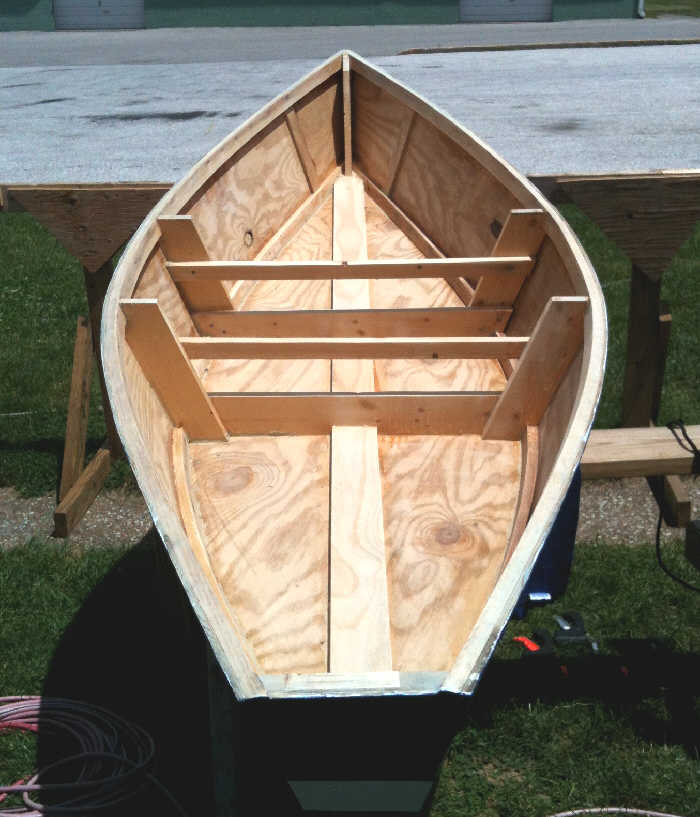
Building a plywood boat is a rewarding journey, a blend of meticulous craftsmanship and satisfying creation. But before you dive into the fascinating world of marine plywood and epoxy, a crucial decision looms: selecting the right plans. This isn't just about finding a pretty picture; it's about aligning your skills, resources, and aspirations with a realistic project. This article tackles the often-overlooked aspects of plan selection, offering a fresh perspective for hobbyists, professionals, and educational institutions alike.
The Unspoken Truth: Skill Level Isn't Just About Tools
Most plan descriptions mention skill levels (beginner, intermediate, advanced). But what does that *really* mean? It's more than just knowing how to use a router or a jigsaw. It's about understanding:
Q: What's the difference between "following instructions" and "problem-solving"?
A: Beginner plans typically offer very detailed, step-by-step instructions. Intermediate and advanced plans provide less hand-holding. They assume you can interpret drawings, troubleshoot inconsistencies, and adapt to unforeseen challenges. A simple example: a warped plywood sheet. A beginner might panic, an intermediate builder might find a work-around, and an advanced builder might have already anticipated the issue and pre-emptively addressed it in the construction phase.
Q: How important is your ability to visualize the 3D structure from 2D plans?
A: Critically important. Plywood boat plans are essentially complex puzzles. The ability to translate the 2D representation on paper into a 3D structure in your mind is paramount. Lack of spatial reasoning skills can lead to frustrating errors and wasted materials, regardless of your tool proficiency. Consider practicing with simpler woodworking projects before tackling a boat to hone this crucial skill.
Beyond the Hull: The "Hidden" Skill Requirements
Selecting plans also requires assessing less obvious skill sets:
- Fiberglassing skills: Many plans involve fiberglass cloth and resin for a watertight finish. Are you comfortable working with these potentially hazardous materials?
- Systemic thinking: Building a boat involves coordinating multiple systems (hull, deck, rigging, etc.). Can you manage these components concurrently and ensure compatibility?
- Research and adaptation: Plans are a starting point. Expect to research materials, adapt techniques, and potentially modify the design based on your available resources and personal preferences.
- Troubleshooting capability: Things will go wrong. Being able to diagnose and fix problemsâ€"from minor imperfections to major structural issuesâ€"is vital.
Real-World Lessons: Stories from the Boat Yard
I've witnessed firsthand the consequences of plan mismatches. One enthusiast, brimming with confidence, chose an advanced design for his first boat. The project stalled due to his inability to interpret complex lofting instructions. Another builder, a seasoned woodworker, underestimated the fiberglassing component and struggled to achieve a watertight hull.
Conversely, I’ve also seen beginners successfully build simpler designs, gaining confidence and invaluable experience along the way. Their journey, while slower, was incredibly fulfilling.
Innovative Approaches to Plan Selection
Here are some creative ways to approach plan selection:
- "Build-a-kit" approach: Several suppliers offer plans with pre-cut kits, mitigating some of the challenges related to material preparation and cutting accuracy.
- Mentorship and collaboration: Partner with an experienced boatbuilder or join a local woodworking club for guidance and support.
- Incremental construction: Start with a smaller, simpler project to gain experience before attempting a larger, more complex vessel.
- Digital plan manipulation: Explore using CAD software to modify plans and experiment with different designs. (Note: requires a higher skill set to manage effectively).
Choosing the right plywood boat plans is a critical first step. By carefully considering not just your tool skills but also your problem-solving abilities, spatial reasoning, and systemic thinking, you can ensure a rewarding and successful boatbuilding experience.
Drift Boat Plans for Crafting a Strong and Sturdy Vessel

Drift Boat Dreams: Beyond the Blueprint â€" Crafting a Superior Vessel
Building a drift boat isn't just about following plans; it's about understanding the subtle nuances that separate a good boat from a great one. This isn't your grandpappy's woodworking project; we're diving deep into the often-overlooked aspects of drift boat construction, using new perspectives and insights to help you build a vessel that's not only strong and sturdy but also a testament to your craftsmanship.
The Unsung Heroes: Material Selection and Its Impact on Longevity
Most plans focus on the *what* of materials â€" plywood, fiberglass, epoxy â€" but rarely delve into the *why* behind specific choices. This is where the real magic (and longevity) happens.
Q: Why is wood grain orientation so critical, and how does it affect long-term strength?
A: Think of wood grain as the boat's skeleton. Running the grain parallel to the longitudinal axis along the hull significantly increases its resistance to bending and flexing forces experienced during river navigation (Source: Boatbuilding: A Complete Handbook, Devereux). Incorrect orientation weakens critical areas, leading to premature cracking and failure. Consider using computer-aided design (CAD) software to precisely model grain orientation for optimized strength.
Q: Beyond the basics of epoxy, what are the less-discussed benefits of using advanced composite materials?
A: While epoxy is standard, exploring options like carbon fiber reinforcements in high-stress areas (like the bow and stern) can drastically improve impact resistance and overall durability. Research into the latest epoxy formulations with improved UV resistance can also extend the life of your boat (Source: Modern Composite Materials and Their Applications, Callister & Rethwisch). This isn't just about aesthetics; it's about building a boat that can withstand the test of time.
Beyond the Plans: Innovative Construction Techniques
The standard build process is well-documented. However, incorporating modern techniques can yield a stronger, more efficient, and possibly even lighter boat.
Q: How can 3D printing revolutionize drift boat construction?
A: While not for the entire hull, 3D printing can create custom, complex components like oarlocks, internal structural supports, and even intricate decorative elements with unparalleled precision. This offers the possibility of customized features not achievable through traditional methods. (Source: Explore current research papers on additive manufacturing in boat building on sites like ScienceDirect)
Q: Can incorporating vacuum bagging improve the structural integrity of the hull?
A: Absolutely! Vacuum bagging removes air pockets and excess resin from the composite layers, resulting in a stronger, lighter, and more uniform hull. This technique is widely used in the aerospace and automotive industries and can significantly enhance the quality of your drift boat (Source: Composite Materials: Science and Engineering, Jones). It might seem advanced, but readily available tutorials are available online.
A Real-World Example: Learning from Mistakes
Let’s examine a real-world story. A seasoned builder, John, followed a reputable plan, but neglected the proper glassing schedule in a high-stress area. The result? A cracked hull after just one season. This highlights the importance of understanding the "why" behind each step in the plan, not just the "what."
Lesson: Don't just follow the instructions; understand the reasoning behind them. Each step in the building process contributes to the overall strength and durability of the boat. Consult multiple sources, experiment with small-scale prototypes, and don't hesitate to adapt techniques to enhance your project.
Conclusion: Building for the Long Haul
Building a drift boat is a journey of craftsmanship and innovation. By moving beyond simply following plans and incorporating these advanced techniques and materials, you can create a truly exceptional vessel that will serve you faithfully for years to come. It's about embracing the learning process, pushing boundaries, and creating a boat that reflects your dedication to quality and skill.
Essential Tools and Materials for Plywood Boat Building
Beyond the Basics: Unveiling Unexpected Essentials in Plywood Boat Building
Plywood boat building, a blend of artistry and engineering, often focuses on the "usual suspects" â€" plywood sheets, epoxy, and fiberglass. But what about the often-overlooked tools and materials that truly elevate a project from good to exceptional? This article delves into those often-unmentioned aspects, offering fresh perspectives for both seasoned builders and enthusiastic newcomers.
Beyond the Epoxy: The Glue That Binds (and Sometimes Breaks)
Epoxy is king in plywood boatbuilding, but its application isn't always straightforward. The real story lies in its nuances and the often-underestimated role of preparation.
Q: What's the secret to truly flawless epoxy joints?
A: It's not just the epoxy itself. Surface preparation is paramount. Many builders overlook the meticulous cleaning and sanding required to achieve optimal adhesion. Think of it like this: imagine trying to glue two pieces of wood together with dirt and sawdust between them. The same principle applies to epoxy. Using a solvent to remove any residual oils or resins from the plywood is crucial before even considering applying the epoxy. Consider using a specialized epoxy primer for an extra layer of insurance. Furthermore, a thorough understanding of the epoxy's working time and pot life is crucial for avoiding mistakes. This requires practice and precise measurements.
The Unsung Heroes: Tools for Precision and Efficiency
While the standard woodworking tools are necessary, some additions can drastically improve your build's accuracy and speed.
Q: What tool often gets overlooked but significantly impacts build quality?
A: A quality digital caliper. Precise measurements are the cornerstone of a strong and seaworthy vessel. While a tape measure is helpful, a caliper allows for exact measurements of critical components, ensuring consistent joinery and minimizing the chance of structural weakness. Investing in a good quality caliper pays for itself many times over in time saved and precision gained.
Q: How can I improve the efficiency of my build?
A: A well-organized workspace and a system for managing materials are surprisingly impactful. Many builders find that using a dedicated, clearly organized storage solution dramatically improves their workflow. This reduces time spent searching for tools or materials, letting you focus on the actual construction. Implementing a lean manufacturing-inspired approach, even on a small scale, can significantly improve the building process.
Materials Beyond the Obvious: Focusing on Durability and Longevity
Choosing the right materials extends beyond just the plywood and epoxy. Consider these often overlooked aspects.
Q: What's the hidden secret to a long-lasting, beautiful boat finish?
A: It goes beyond just the topcoat. The key is proper wood preparation and multiple coats of quality marine-grade varnish or paint. Many builders rush the finishing process, but this is a mistake. Applying multiple thin coats, allowing ample drying time between each, creates a far more durable and aesthetically pleasing finish than a few thick coats. Remember to sand between coats for a completely smooth, even surface. Think of it as layers of armor protecting your investment.
Real-World Lessons: Stories from the Shop
One seasoned boatbuilder I know, John, learned the hard way about the importance of proper surface preparation. He rushed his epoxy application on a particularly intricate joint, resulting in a weak point that ultimately required significant repair work. This experience taught him the value of meticulous preparation, which he now meticulously emphasizes in his own teaching.
Another builder, Sarah, focused on organizational efficiency. By meticulously labeling and storing materials, she was able to save countless hours of searching and greatly increased her building speed, emphasizing that a clean and well-organized workshop is not just about aesthetics, but directly improves the quality and speed of your build.
Conclusion: Plywood boat building is a journey of precision and patience. While the fundamental materials are crucial, it's the attention to detail, the strategic use of lesser-known tools, and the mindful selection of materials that transform a project from adequate to truly exceptional. By embracing these often-overlooked elements, you can build a boat that is not only strong and seaworthy, but also a testament to your skill and dedication.
Affordable Wooden Boat Blueprints for Budget-Friendly Projects

Unlocking the Sea: Affordable Wooden Boat Blueprints â€" Beyond the Basics
Building your own wooden boat is a dream for many, but the cost often feels like an insurmountable barrier. Affordable blueprints offer a pathway, but are there hidden gems, unspoken strategies, and overlooked possibilities within this seemingly well-trodden path? Let's dive into some rarely discussed aspects, reframing the 'budget-friendly' boat building experience.
Beyond the Plans: Rethinking Resource Acquisition
Most discussions on affordable boat building focus on finding cheap blueprints. But what about the materials? The lumber bill can quickly dwarf the cost of plans. Here's where unconventional thinking can save serious cash.
Q: Where can I find sustainably sourced, affordable wood?
A: Forget big lumber yards! Consider these underutilized resources:
- Reclaimed wood: Demolition sites, old barns, and even pallets (carefully inspected!) can offer surprisingly high-quality lumber at a fraction of the price. Think unique character and sustainability bonus! Remember to check local regulations regarding reclaimed wood sourcing.
- Local sawmills and smaller suppliers: These often have less overhead than larger companies, leading to competitive pricing. Building relationships directly with sawmillers can also unlock access to unique wood species or offcuts perfect for your project.
- Community wood sharing networks: Check local woodworking forums or community groups for opportunities to acquire surplus wood or collaborate on projects.
The Unsung Hero: Skill Sharing and Collaboration
Building a boat is a significant undertaking. Why go it alone?
Q: How can I minimize labor costs without compromising quality?
A: Embrace collaboration! Consider these options:
- Find a mentor or join a boatbuilding group: Experienced builders can offer invaluable advice, guidance, and even access to shared tools, reducing your initial investment significantly. Many online communities exist for boat builders of all levels.
- Barter your skills: Perhaps you're a skilled electrician, and someone else is a master carpenter. Collaborating on projects allows you to exchange skills, reducing the overall financial burden.
- Organize a community build: Engage your local community. A shared project can significantly lower individual costs and create a memorable experience.
Reimagining the Design: Optimizing for Affordability
Choosing the right blueprint is crucial. But what about adapting existing plans?
Q: Can I modify existing blueprints to reduce material costs?
A: Absolutely! Careful analysis of a plan can reveal areas for optimization:
- Simplify the design: Can you eliminate complex curves or unnecessary detailing? A slightly less ornate design can dramatically reduce material and labor.
- Substitute materials strategically: Explore alternatives to expensive hardwoods without sacrificing structural integrity. Consult with experienced builders to ensure your substitutions are safe and appropriate.
- Optimize lumber usage: Precise cutting and careful planning can minimize waste, saving both money and resources. Software like SketchUp can aid in this process.
Story Example: I know a boatbuilder who salvaged wood from a demolished pier to build a beautiful, functional skiff. He combined this with community support â€" friends helped with the more challenging tasks. The result? A stunning boat built for a fraction of the expected cost, a testament to resourceful planning and community spirit.
Building an affordable wooden boat isn't just about finding cheap plans; it's about embracing a holistic, resourceful approach. By rethinking resource acquisition, leveraging collaboration, and creatively adapting designs, you can unlock the joy of boatbuilding without breaking the bank. The sea awaits â€" let's build our way there!